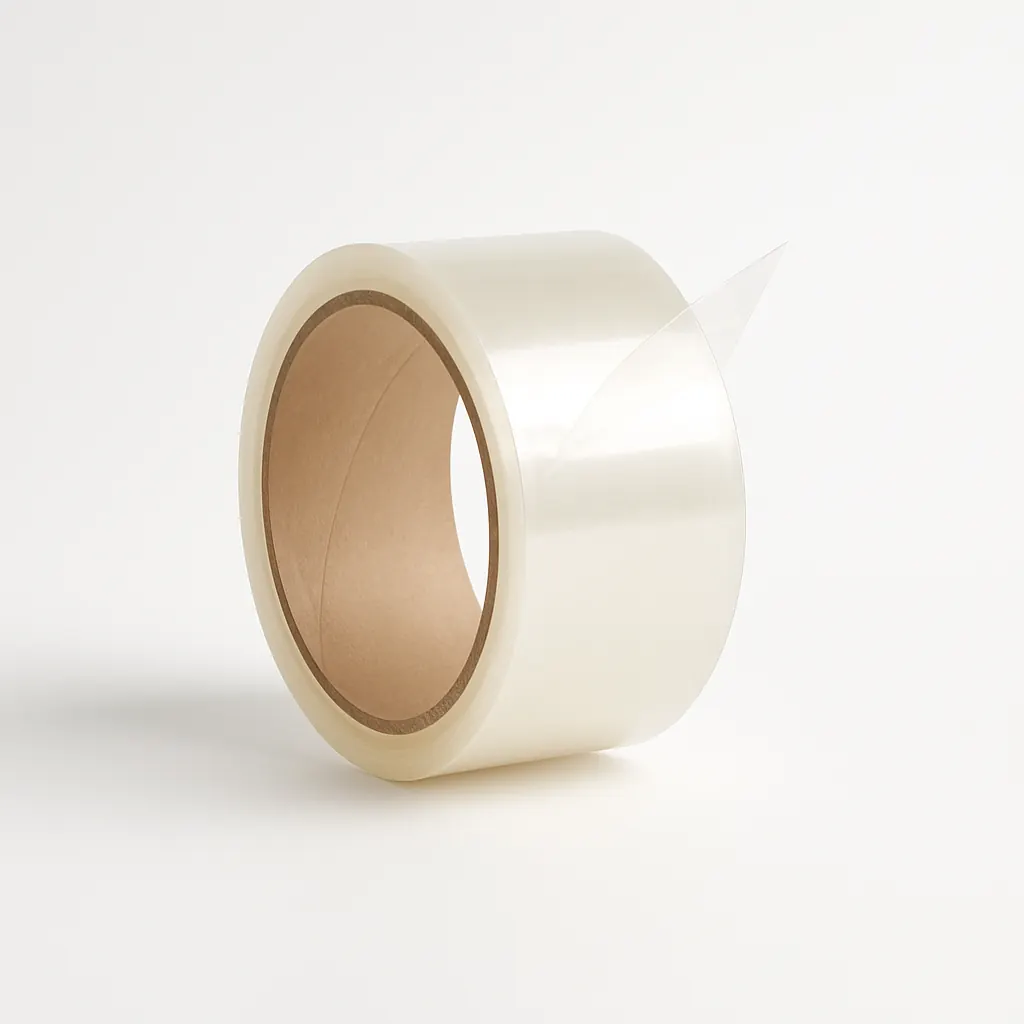
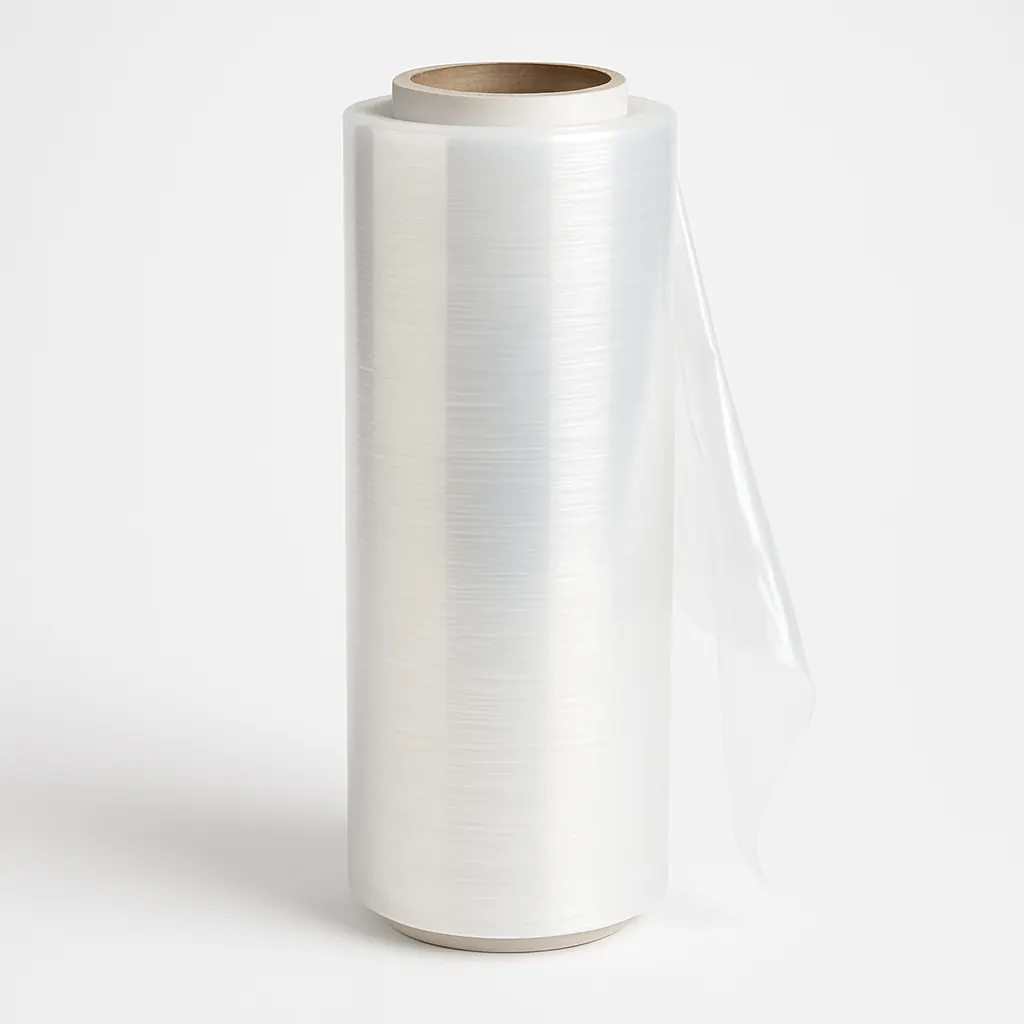
Images are illustrative product renders. Supplier photography replaces them as each line is confirmed.
Supplier fulfilled
Pallet Stretch Film
SKU PW-SF-18 · Protective Packaging
Blown pallet wrap, 18 in × 1500 ft at 80 gauge, sold by the roll.
Trade price
$12.80per roll at the best published tier
72
rolls minimum order. We supply in bulk only — this is the smallest quantity we ship on this line. Supplied 4 per carton.
Lead time: 3–5 working days from our supplier once payment clears
Quantity pricing
The price per roll falls as the quantity rises. A tier applies from its quantity upward until the next one begins, so a quantity between two tiers is charged at the lower tier’s rate. Order value is the goods cost at that tier’s own starting quantity, excluding freight. Your quantity is highlighted as you change it above.
| Quantity | Price per roll | Order value | You save |
|---|---|---|---|
| 72–2,499 | $14.60 | $1,051.20 | — |
| 2,500–4,999 | $14.10 | $35,250.00 | 3% |
| 5,000–9,999 | $13.60 | $68,000.00 | 7% |
| 10,000–24,999 | $13.20 | $132,000.00 | 10% |
| 25,000–49,999 | $12.80 | $320,000.00 | 12% |
| 50,000+ | Request a quote | — |
See the full price list for every size · How much should I buy?
About this product
Blown LLDPE pallet wrap on 18 in × 1500 ft rolls at 80 gauge — the general-purpose specification most warehouses run for hand wrapping. Blown film is tougher and quieter to apply than cast film, with better cling on one side and less of the loud unwind that cast wrap gives you at speed.
Supplied four rolls to a case, with a 72-roll minimum — 18 cases of the standard roll. The price is the same from the minimum up to 2,500 rolls, and it suits businesses wrapping pallets daily rather than occasionally.
Choosing a gauge
Gauge is film thickness, and it is the decision that actually matters. 80 gauge (20 micron) handles most palletised loads with regular shapes and moderate weight. 63 gauge (16 micron) costs less and suits light, stable loads — it will puncture on anything with corners. Above 80 gauge you are usually solving a load-stability problem that better stacking would fix more cheaply.
Hand or machine
Hand rolls are short and light enough to hold on a dispenser. Machine rolls are longer and wider, designed for a turntable wrapper, and they are not interchangeable — a machine roll is too heavy to wrap by hand, and a hand roll runs out too fast to be worth loading into a machine.
If you are wrapping more than about fifteen pallets a day by hand, the machine and the film together usually pay for themselves within a year on film saving alone, because a wrapper stretches film far closer to its actual yield point than a person can.
The rolls listed here are all hand grade. Machine film is quoted separately — a machine roll carries three to four times the film of a hand roll, so pricing it against the same quantity ladder would understate the volume break rather than reflect it. Tell us your wrapper model and pallets per day and we will quote it properly.
Specifications
| Material | Blown LLDPE, single-sided cling |
|---|---|
| Gauge | 80 gauge (20 micron); 63 gauge (16 micron) available |
| Roll size | 18 in × 1500 ft (457 mm × 457 m) standard |
| Core | 76 mm (3 in) internal diameter |
| Rolls per case | 4 rolls |
| Stretch | Approximately 250% at 80 gauge |
| Colour | Clear |
| Recyclable | Yes — LDPE 4 stream, where soft plastic collection exists |
Shipping
Dispatched within the lead time shown above once payment clears. Delivery is calculated at checkout; large or bulky orders are quoted for delivery before dispatch. See our shipping policy.
Frequently asked questions
What does 80 gauge actually mean?
Gauge is a US measure of film thickness. 80 gauge is roughly 20 micron. It is the general-purpose specification for palletised goods of regular shape and moderate weight, and it is what most warehouses run unless they have a specific reason not to.
Blown or cast film — which should I buy?
Blown film is tougher, resists puncture better and holds a load more firmly, which is why it is the default for mixed or awkward pallets. Cast film is clearer, unwinds more quietly and costs slightly less, so it suits light uniform loads where appearance matters. We stock blown as standard.
Can I use hand film in a wrapping machine?
No. Machine rolls are longer and wound differently for a powered turntable, and hand rolls run out far too quickly to be practical. Everything listed on this page is hand grade; machine film is quoted separately against your wrapper model and daily pallet count.
How many pallets does one roll wrap?
A 1500 ft roll at 80 gauge wraps roughly 25 to 35 standard pallets depending on load height and how many turns your operators use. That figure is the one to divide into your monthly pallet count when working out quantities.
Is 72 rolls really the minimum?
Yes. Every product has a minimum order worth at least $500, and for stretch film that is 72 rolls, which is 18 cases of four and comes to about $1,050 at the standard roll. If you wrap fewer than about forty pallets a week, 72 rolls is more than a year of film and we would rather say so.
Do you supply printed or coloured stretch film?
Not at present. We stock clear blown film only. Tinted and opaque films exist for security applications, but they carry longer lead times and higher minimums than this line.
Guides for this product
Sizing, specification and buying advice, written for bulk buyers.
- How to Wrap Metal Parts with VCI Film: A Step-by-Step Guide — VCI film only works when it is closed around the part. The steps for wrapping small parts, large parts and machinery, the mistakes that waste the film, and how much a roll covers.
- What Is VCI Film? How Vapor Corrosion Inhibitor Packaging Works — VCI film protects metal from rust without oil or coatings. How the vapor works, what it can and cannot do, and how VCI film differs from stretch wrap, shrink film and desiccant.
- How Much Aluminum Foil Does a Kitchen Use? Roll Yield Explained — One 18 in x 1000 ft roll is 1,500 square feet. How many pans, trays and portions that covers, and how to turn your daily use into a sensible order.
- Heavy-Duty vs Standard Aluminum Foil: Which Gauge to Buy — Foil is sold in weights, and heavy duty is a label rather than a standard. What gauge actually means, how the weights compare, and when the heavier roll saves money.
- How Many Trash Bags Does a Warehouse Use? — Most sites have never counted. A simple tally of bins and changes gives your weekly usage, your yearly cost, and tells you whether a minimum order makes sense.
- Trash Bag Thickness: Mil, Micron, Gauge and What Matters — Mil, gauge, micron and "mil equivalent" all describe thickness, and not always honestly. How to read them, and why material matters as much as the number.
- Trash Bag Sizes Explained: Matching a Bag to Your Bin — Gallons tell you what a bin holds, not what bag fits it. Here is how to work out the right bag from two measurements, and why 38 × 58 inches suits a 55-gallon drum.
- What to Do When a Shipment Arrives Damaged — Carrier claims are usually won or lost in the first hour, on evidence most people throw away before they think to take a photograph.
- How to Cut Pallet Freight Costs — Freight is usually the largest line in a bulk order and the least examined. Four things move the number, and only one of them is negotiating.
- Hand Wrap vs a Pallet Wrapping Machine — A wrapping machine pays for itself on film alone, long before you count the labour. Here is the arithmetic and the pallet count where it turns.
- Stretch Film Gauge Explained: 63, 80 and 90 — Gauge is the only stretch film number that really matters, and buying up is the most common way warehouses waste money on wrap.
- How to Wrap a Pallet Properly — Most damaged pallets fail in the same three places, and all three come from how the film was applied rather than which film was bought.
Related products
Commonly bought alongside this line.