
Packaging guide
What Is VCI Film? How Vapor Corrosion Inhibitor Packaging Works
VCI film protects metal from rust without oil or coatings. How the vapor works, what it can and cannot do, and how VCI film differs from stretch wrap, shrink film and desiccant.
Updated Oct 26, 2026
Metal rusts when moisture and oxygen reach its surface. The old answers are oil, grease and wax, which work but leave a mess to clean off before the part can be used. VCI packaging is the cleaner answer: the protection is built into the film, and it leaves nothing on the part.
What VCI stands for
VCI means vapor corrosion inhibitor, sometimes written volatile corrosion inhibitor. It is a chemical added to the plastic, or to paper, that vaporizes very slowly at room temperature. The vapor spreads through the enclosed space inside the wrap, settles on the metal as a thin layer one molecule or so thick, and makes it harder for moisture and oxygen to start the rust reaction.
The enclosure is the whole trick
A vapor needs somewhere to stay. VCI film protects the metal only when the item is enclosed: wrapped, folded and sealed or taped closed, or used as a liner inside a closed crate or case. A sheet draped loosely over a machine in an open yard lets the vapor escape and gives little protection. Most VCI failures come down to an enclosure that was not closed.
What it does not do
- It does not clean. The part should be clean and dry before it is wrapped. Rust, moisture or fingerprints under the film are sealed in with it.
- It does not last forever. The protection period depends on the grade of film and the conditions, and it is stated on the manufacturer’s technical data sheet. Treat any number you are given as a minimum under good conditions, not a promise.
- It does not suit every metal. Many films are designed mainly for steel and iron. Copper, brass and aluminium parts can need a multi-metal grade, so check the data sheet for the metals you ship.
- It is not food packaging. VCI products are kept away from anything that will be eaten.
VCI film, stretch wrap and shrink film
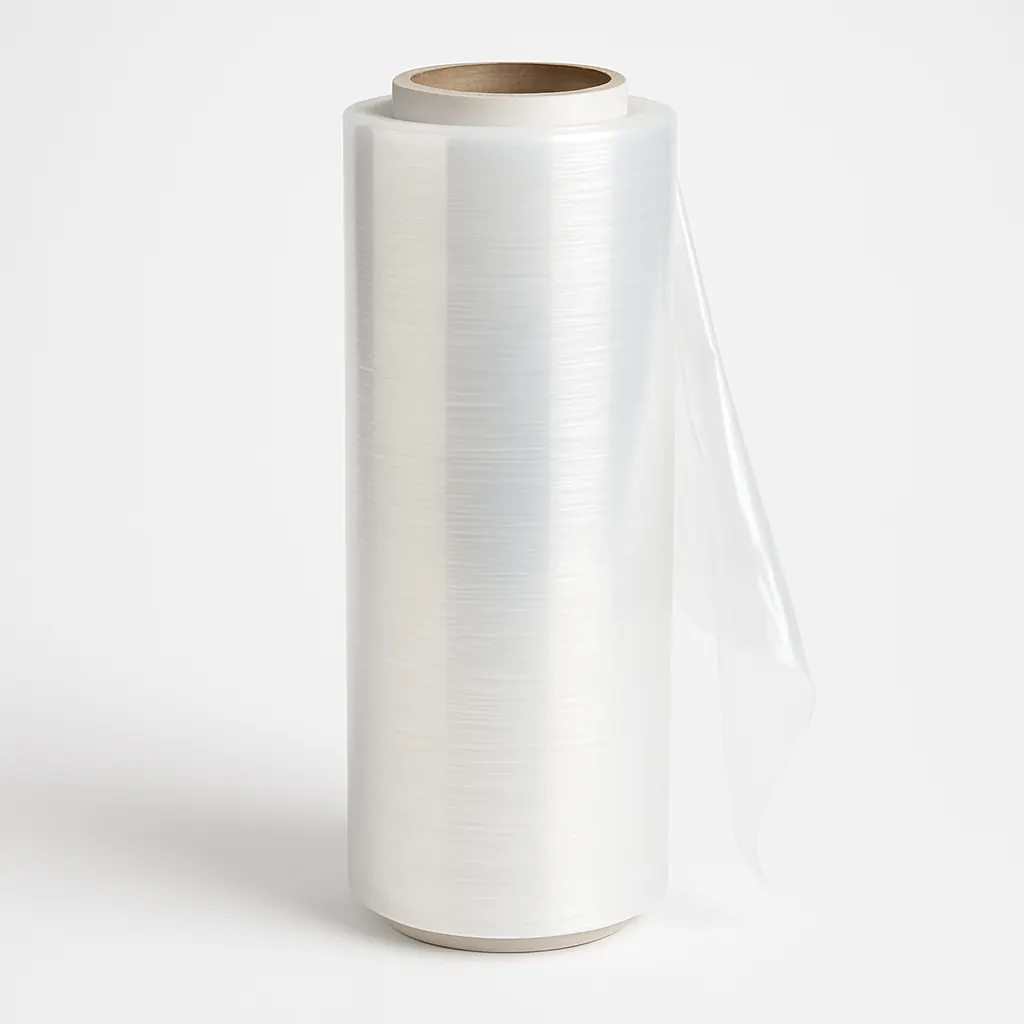
These get confused because all three are plastic film on a roll, but they do different jobs. Stretch wrap clings to itself to hold a palletised load together and has no corrosion protection. Shrink film is heated to tighten around an item. VCI film is a barrier and a source of inhibitor: it can be wrapped, folded or used as a liner, and some VCI films are also made as shrink film. Our stretch film gauge guide covers the first; the product page for VCI film covers the roll we supply.
Where it is used
Typical uses are machined parts and castings in storage, fasteners and tools shipped overseas, spare parts held for long periods, and machinery and equipment moved by sea or road. Anywhere metal sits for weeks or months between manufacture and use is a candidate, especially where sea air, humidity or temperature swings are involved.
Choosing a thickness
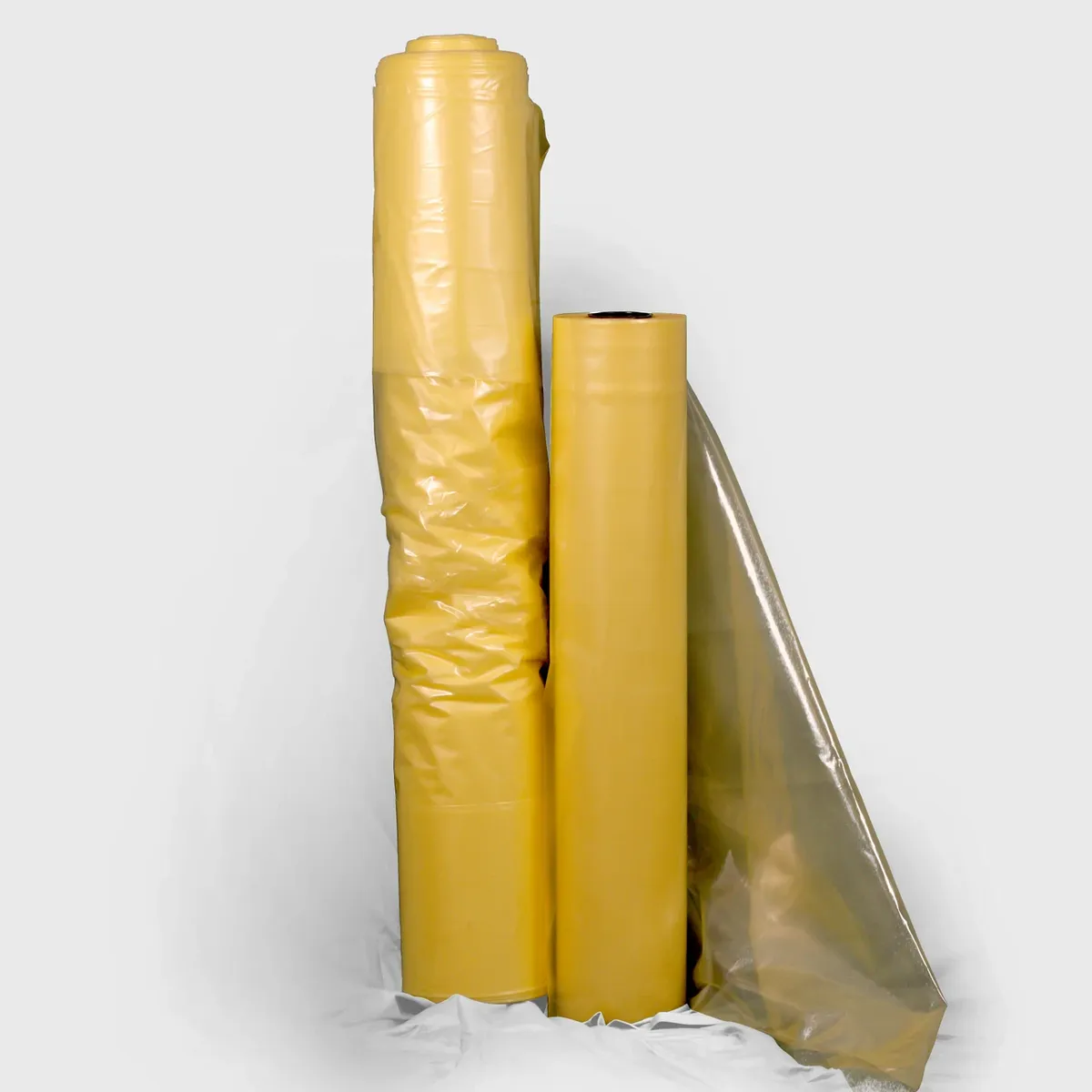
VCI film is sold by thickness, commonly from a few mil upward. Heavier film is harder to puncture and suits machinery with sharp edges; lighter film costs less and suits small parts that are wrapped by hand. Our roll is 4 mil (0.004 in), which handles most parts and light machinery. For how to put it on, see how to wrap metal parts with VCI film.
Products in this guide
Still not sure?
Tell us what you ship and roughly how much of it, and we will recommend a specification and price it.