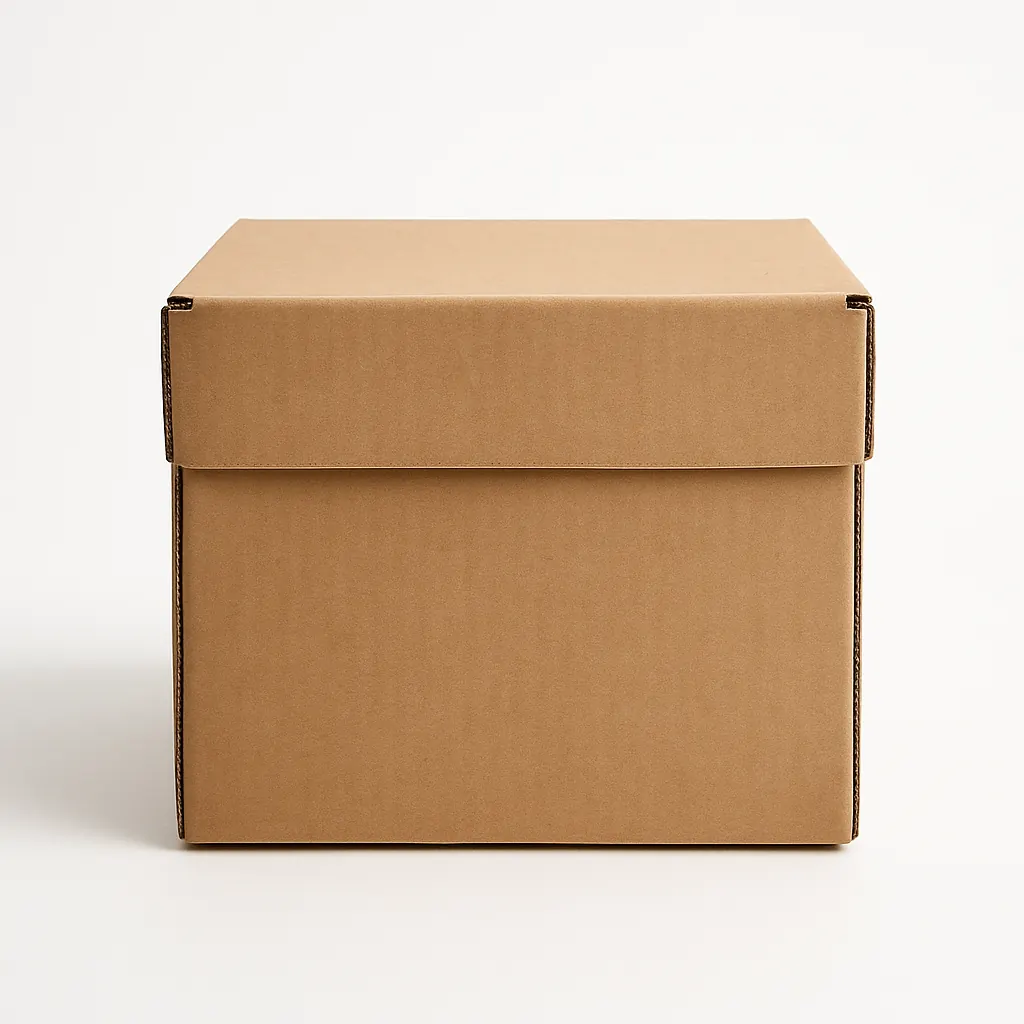
Packaging guide
Void Fill Compared: Paper, Air Pillows, Bubble and Foam
Four ways to fill the same empty space, with very different costs per parcel. What each is actually good at, and which one most businesses should default to.
Updated Sep 15, 2026
Void fill is the packaging line businesses think least about and reorder most often. It is also where the cost per parcel varies most between options that all look like they do the same job.
They are not doing the same job
The distinction that decides everything: filling space and cushioning impact are different tasks.
Filling space stops the contents moving. Cushioning absorbs energy from a drop. Most parcels only need the first, and paying for the second on every order is the most common void-fill mistake.
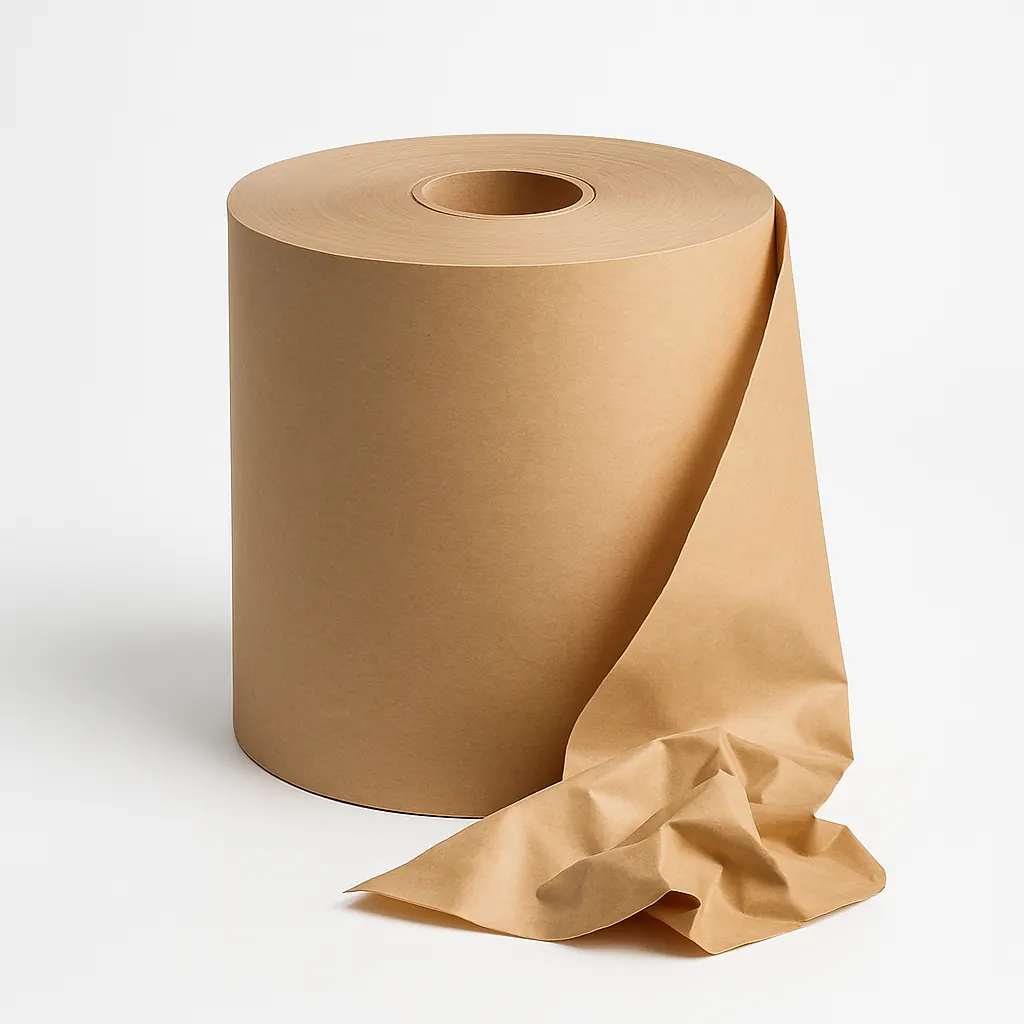
Kraft paper
Crumpled paper fills space well, holds its shape under load, and recovers after compression. It is recyclable in ordinary kerbside collection everywhere, which removes the disposal problem entirely.
It is heavier than air-based options, which matters if your carrier bills on weight. It is also the best of the four at the specific job of stopping contents shifting, because crumpled paper wedges rather than slides.
Default choice for most businesses. Cheap per litre at volume, no customer complaints, no disposal question.
Air pillows
Almost weightless and very cheap per litre once you own the inflation machine. They fill large voids fast, which makes them popular in high-volume operations.
Two real drawbacks. They migrate during transit — a pillow slides where crumpled paper wedges, so a parcel can arrive with the contents at one end and all the fill at the other. And they need a machine plus storage for the uninflated film.
Worth it above roughly 100 parcels a day, with light contents and regular box sizes. Below that the machine does not pay back.
Bubble wrap
The only one of the four that genuinely cushions. Bubbles trap air that compresses on impact and absorbs energy, which is why it is right for something breakable.
It is poor value as bulk void fill — you are paying for cushioning you do not need on most of the parcel. The efficient approach is bubble against the item and something cheaper filling the rest of the box.
Use it wrapped around fragile contents, not as loose fill.
Foam
Highest protection and highest cost. Fitted foam inserts hold an item precisely and absorb serious impact, which is why electronics and instruments ship in it.
Loose foam peanuts are a different product and mostly a bad one: they migrate worse than air pillows, generate static, and customers dislike them intensely. Fitted foam is a genuine specialist solution; peanuts rarely are.
For high-value or genuinely delicate items only, and usually as a custom insert rather than loose.
What it actually costs
Compare cost per parcel, not cost per roll or bag. Work out roughly how many litres of void your average parcel has, then price each option to fill it.
Most businesses find paper and air pillows are close on materials, and the decision turns on machine cost, storage space and weight bands rather than on the fill itself.
The thing customers notice
Disposal is part of the product experience whether you intend it or not. Paper goes in the recycling without thought. Plastic film needs a separate stream most households do not have. Peanuts go in the bin and irritate people.
If you sell to consumers, this is worth weighting more heavily than the few pence difference in materials.
The short version
- Most businesses, most parcels — kraft paper.
- High volume, light contents, regular boxes — air pillows.
- Something breakable — bubble around the item, paper filling the rest.
- High-value or delicate — fitted foam insert.
- Loose foam peanuts — almost never.
Products in this guide
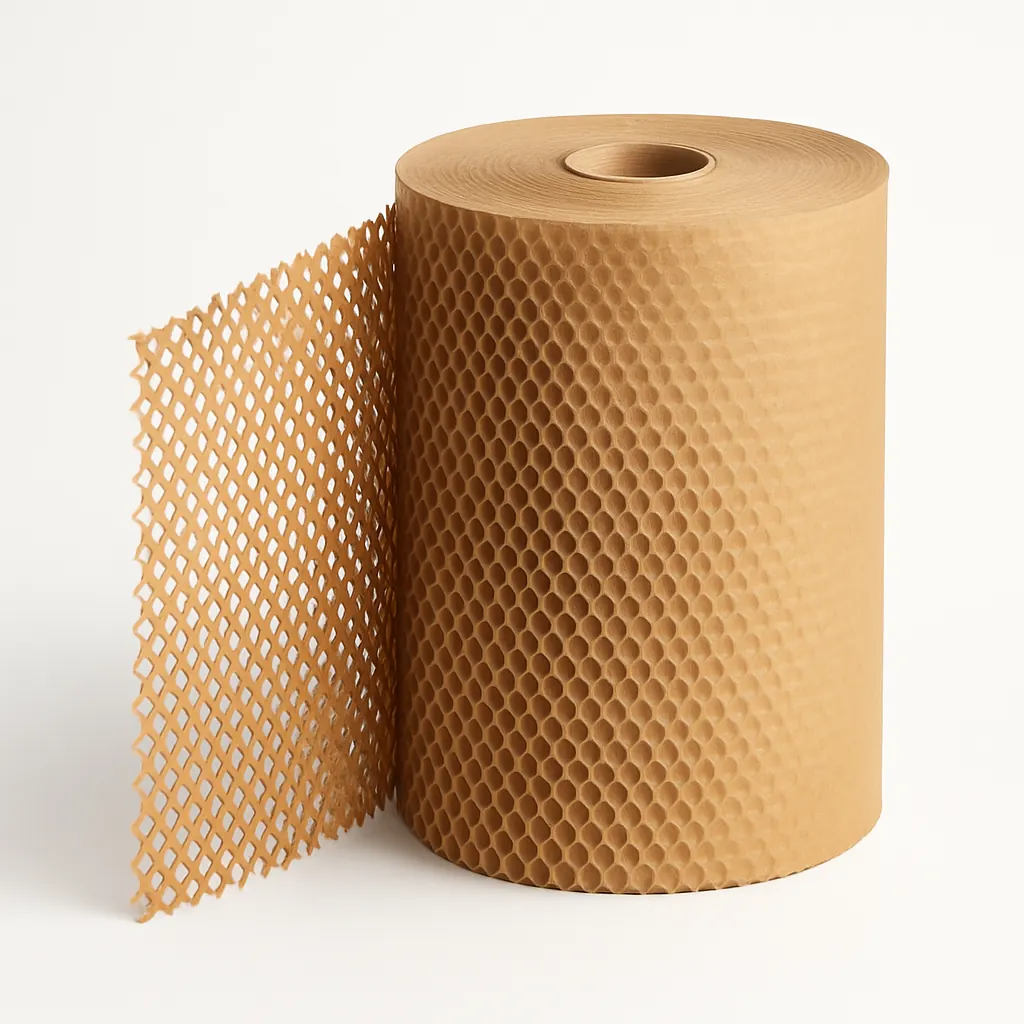
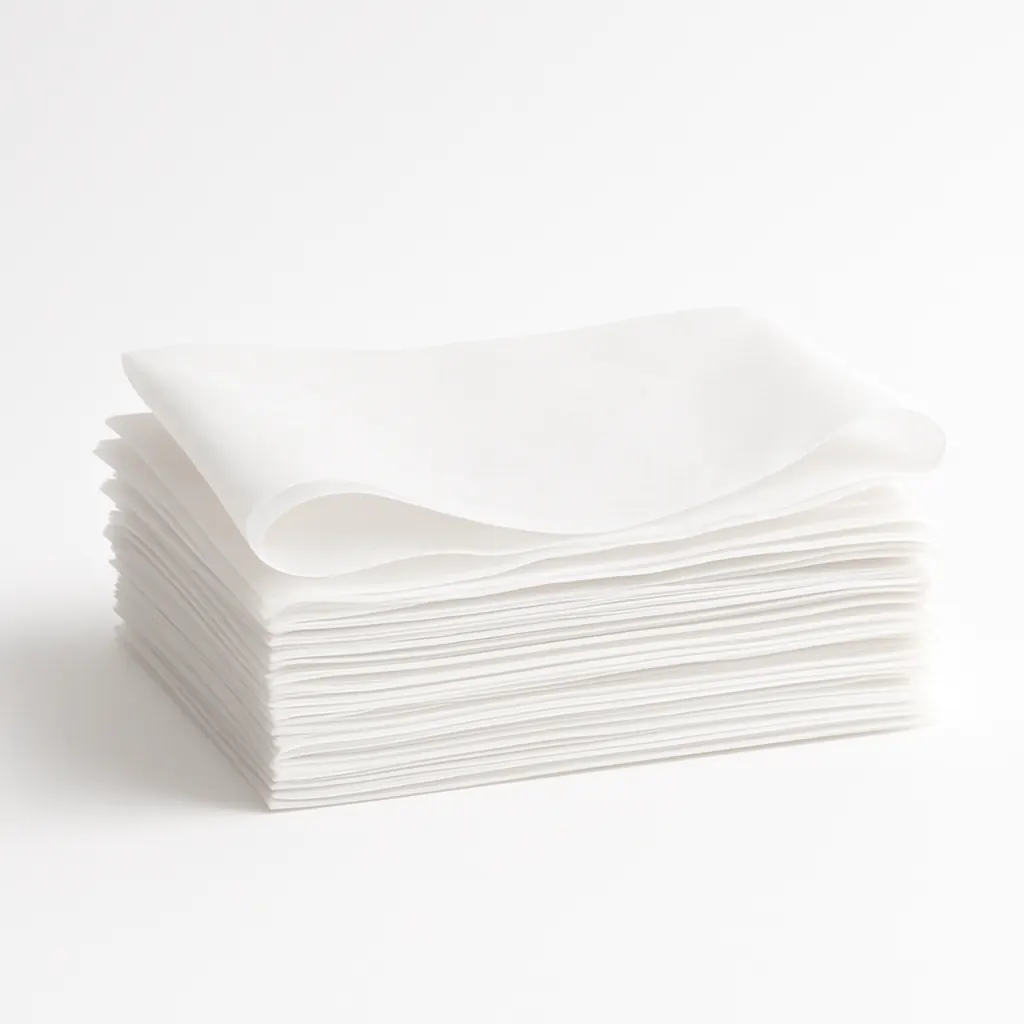
Still not sure?
Tell us what you ship and roughly how much of it, and we will recommend a specification and price it.