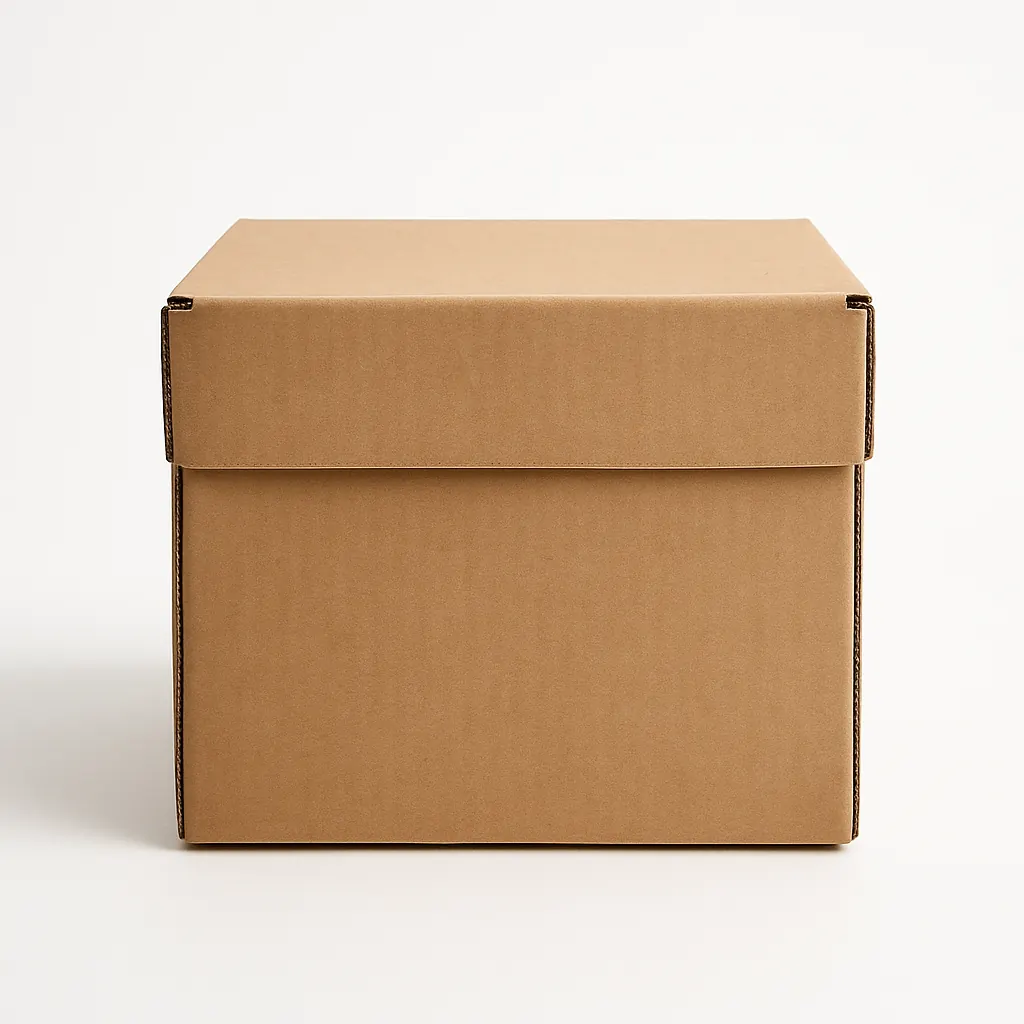
Packaging guide
Packaging for Food and Drink Businesses
Outer packaging for food has a different job: protect the product, survive temperature, and never be the reason a customer questions whether it is safe.
Updated Sep 8, 2026
Food and drink is the category where outer packaging has the least margin for error. A damaged parcel is not just a replacement — it is a customer wondering whether anything they receive from you is safe to eat.
This guide covers the outer packaging: the box, the protection and the shipping. Anything that touches the food itself is food-contact packaging, which is regulated and specified separately.
Glass is the whole problem
Jars and bottles are heavy for their size, break into something dangerous, and take the rest of the parcel with them when they fail. Everything else in food shipping is easier.
Never let glass touch glass
Two jars against each other break both. Wrap each item individually and separate them with board dividers or a fitted insert. This single rule prevents most food-shipping breakages.
Protect the base
Parcels are set down base-first far more often than they are dropped. Put 50–60 mm of fill under the product — more than you use at the sides.
Double wall above about a kilogram
A case of jars is heavy enough that single-wall board flexes under stacking, and a flexing box lets the contents move. Double wall is the right default once weight climbs.
Liquids need a second line of defence
Assume a seal will eventually fail and design so that failure stays contained. A leak that reaches the outer box means a courier handling a wet parcel, and it will not arrive.
- Bag anything liquid before it goes in the box, so a leak is caught rather than absorbed.
- Tape or shrink-band caps — pressure changes in transit loosen them.
- Use absorbent fill rather than plastic void fill, so a small leak is soaked up instead of pooling.
Temperature, honestly
Chocolate softens well below the temperature a delivery van reaches in summer. Fats bloom. Some products separate and never recover.
Packaging slows a temperature swing; it does not stop one. A rigid box with generous paper fill insulates far better than a thin mailer, and that is genuinely worth doing — but there is no packaging answer to a parcel sitting in a hot vehicle for two days.
The practical answers are commercial rather than material: ship affected lines on faster services in summer, dispatch early in the week so nothing sits over a weekend, and say so plainly at checkout. Customers accept a stated constraint far better than a spoiled arrival.
What belongs on the outside
The outer box is doing communication as well as protection.
- Which way is up, if it matters. Simple arrows work.
- Fragile marking — modest in effect, and it costs almost nothing.
- Perishable or keep cool, where relevant, so a parcel is not left in direct sun.
- Nothing that advertises value. A box that announces expensive food is a box worth stealing.
Keep allergen and ingredient information on the product, not the shipping box. The outer packaging gets wet, scuffed and thrown away; regulated information should never depend on it surviving.
Where the cost actually sits
Food packaging is more expensive per parcel than most categories, and there is no way around it — double-wall board, dividers and generous fill all cost real money. What volume buying changes is the rate on the two things you consume most: board and paper fill.
Both are available here at 1,000-unit minimums with the price ladder published. If you ship a consistent range, send us the dimensions and weights of your heaviest and lightest lines and we will price a two-box specification against your actual mix — two sizes covering a range almost always beats four.
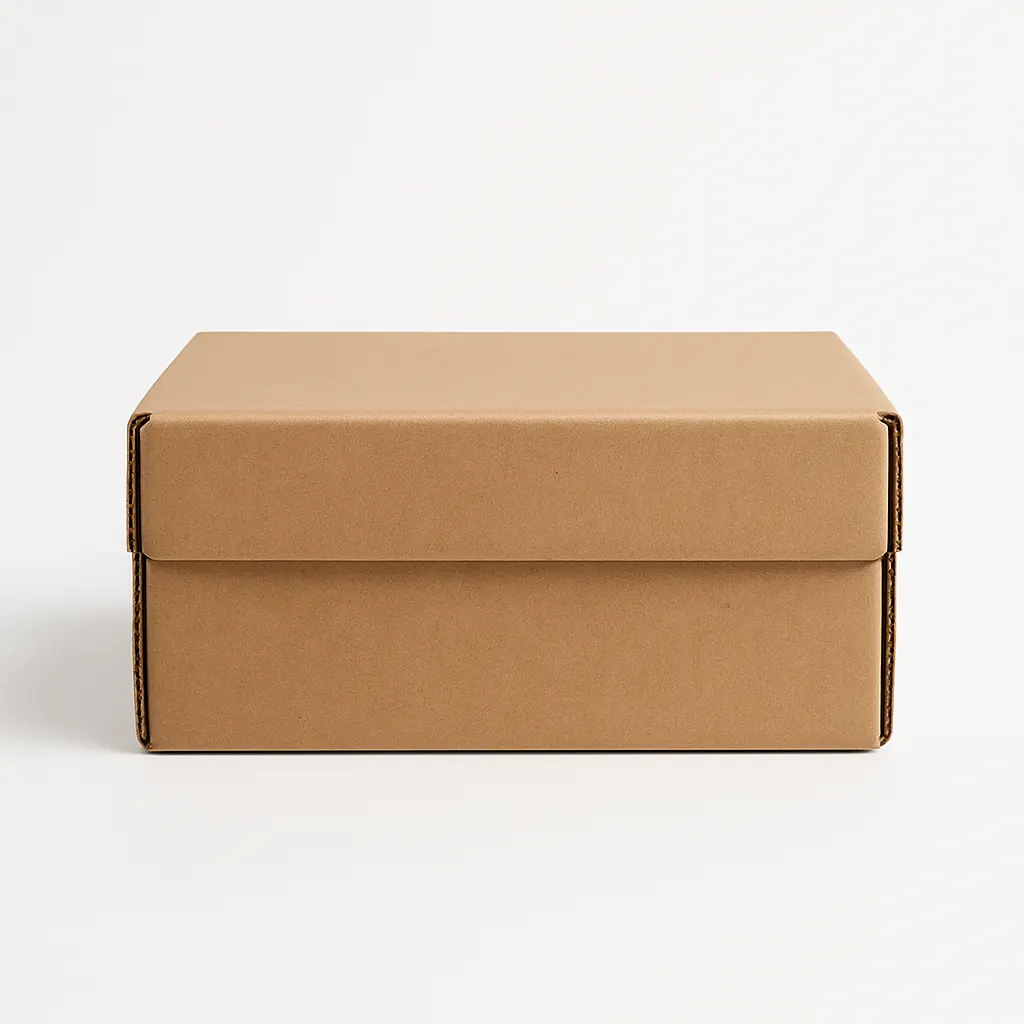
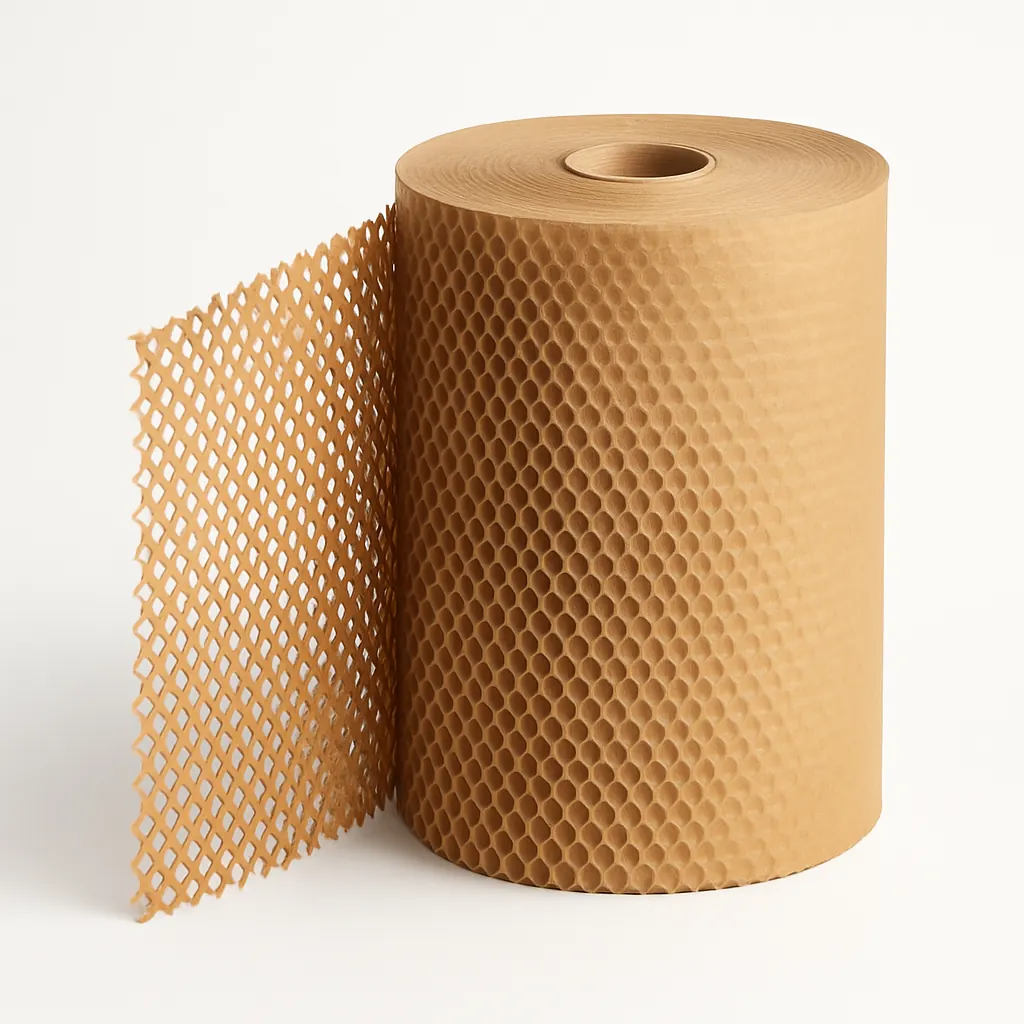
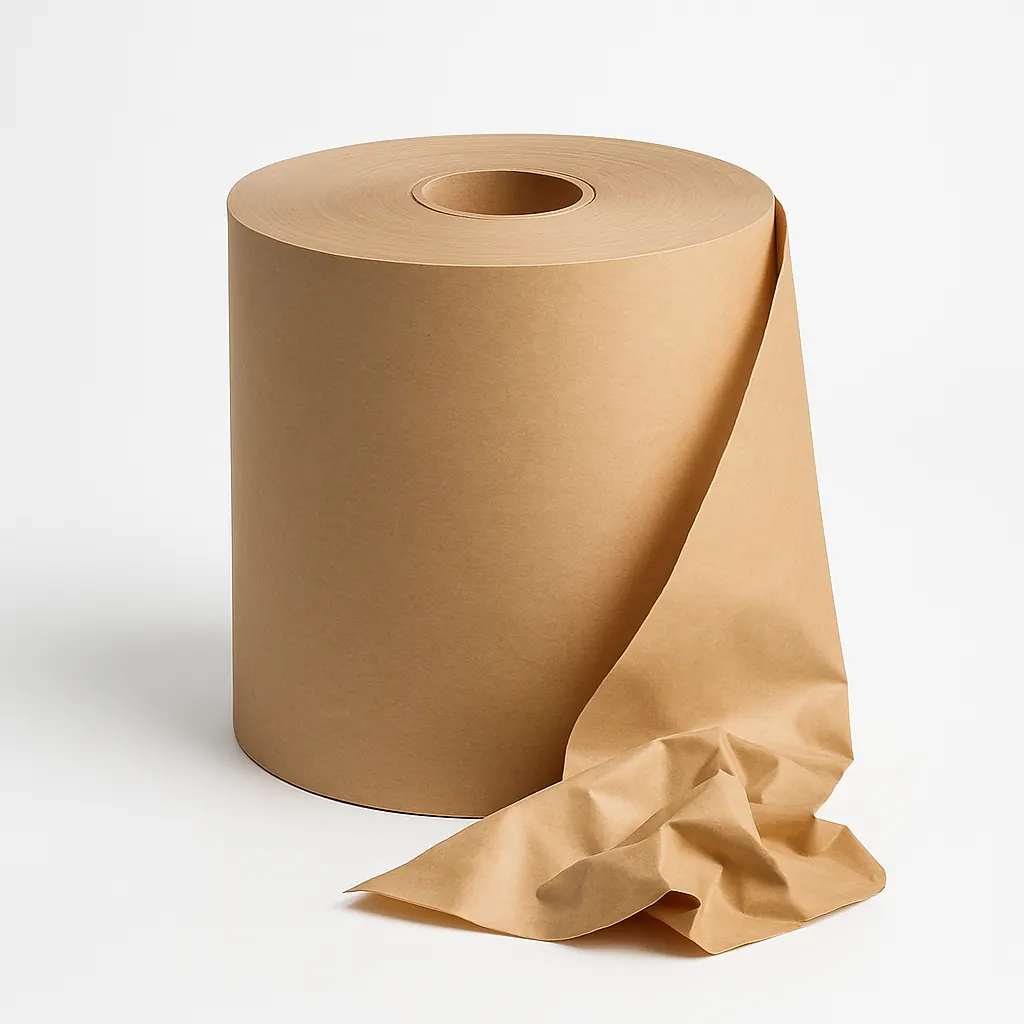
Products in this guide
Still not sure?
Tell us what you ship and roughly how much of it, and we will recommend a specification and price it.