Packaging guide
How to Set Up a Packing Station
The difference between packing forty orders an hour and packing a hundred is almost never the packer. It is the layout, and it is fixable in an afternoon.
Updated Sep 8, 2026
Packing speed is treated as a property of the person doing it. It is mostly a property of the bench. A well-arranged station roughly doubles throughput compared with a table covered in whatever arrived last, and the change costs almost nothing.
Bench height decides how long you last
Too low and packers bend over every parcel. Too high and they work with raised shoulders. Either one produces fatigue by mid-afternoon and a real drop in speed.
The usual guidance is around 90–95 cm for standing work — roughly at the wrist when arms hang straight. Adjust to the person who actually stands there. An anti-fatigue mat is the cheapest genuine productivity purchase on this page.
Lay it out in the order the work happens
Every item should sit where it is needed, in sequence, so the packer moves in one direction and never crosses their own path.
- Left: incoming picked items and the packing slip
- Centre: clear working space — the largest thing you pack, plus room either side
- Right of centre: void fill, within arm’s reach
- Right: tape gun and label printer
- Below or behind: boxes and mailers, in a rack sorted by size
- End: the outbound trolley or pallet
Reverse it for a left-handed packer. It sounds fussy and it is worth several seconds a parcel, which at a few hundred parcels a day is an hour.
Nothing used on every order should require a step or a turn. If the tape lives behind the packer, that is a small twist repeated hundreds of times a day — and it is where most packing-station back pain comes from.
Cut the number of sizes
Choosing a box is a decision, decisions take time, and most operations offer their packers far too many. Eleven box sizes means eleven judgements per parcel.
Most businesses can cover ninety per cent of orders with three or four sizes. Fewer sizes means faster picking, simpler forecasting, better volume pricing on each line, and less storage. The remaining ten per cent can use an oversized box with more fill — the fill costs less than the decision.
Fix the order of operations
Standardise the sequence and do it the same way every time. The order matters:
- Label first, before sealing. Printing after the parcel is closed is where mislabelled parcels come from — the box is shut and nobody can check the contents against the label.
- Base fill, product, side fill, top fill. The base is where drops land and it is the layer most often skipped.
- Tape the centre seam, then both edges. A single strip across the middle is the most common cause of a burst parcel.
- Weigh at the station, not at the door, so an error is caught while the parcel is still open.
Small things that pay for themselves
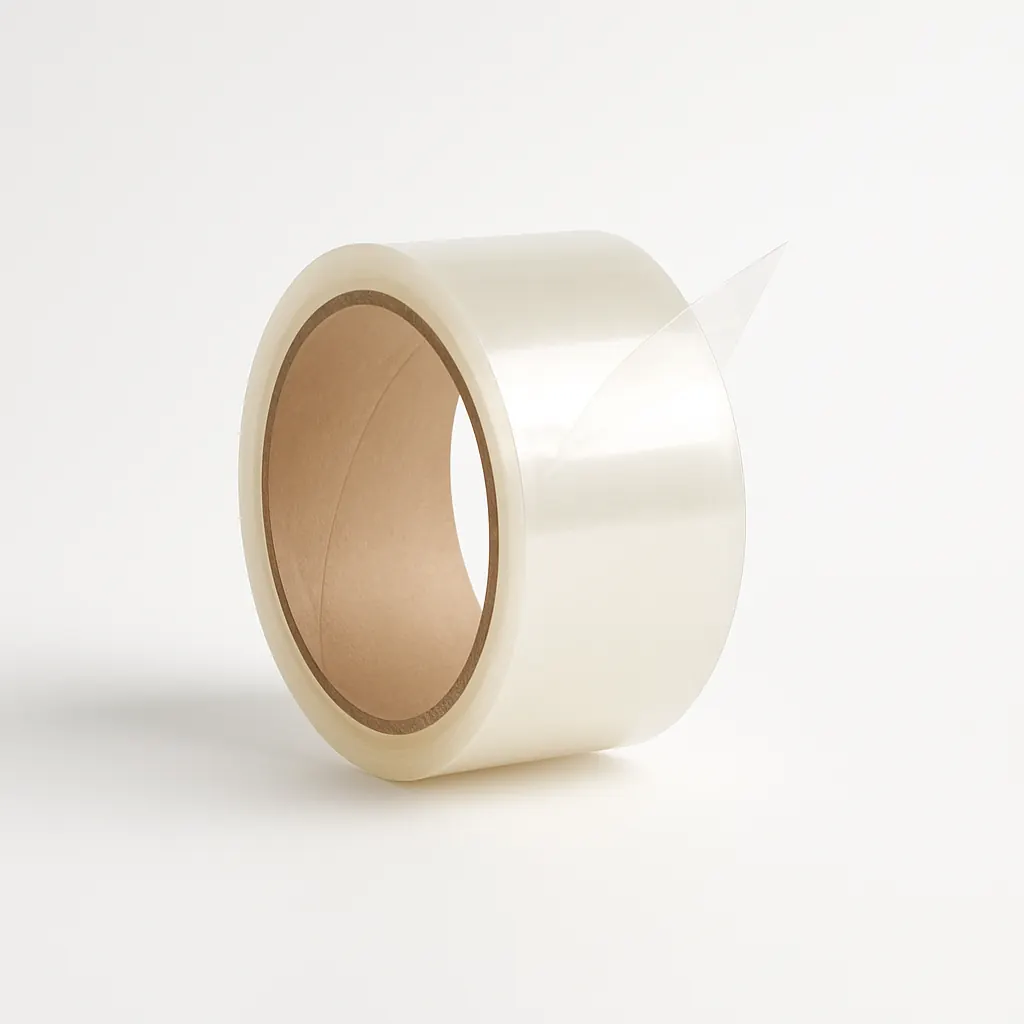
- A proper tape gun. Hand-tearing tape is slow and produces a worse seal. This is the highest-return purchase on the bench.
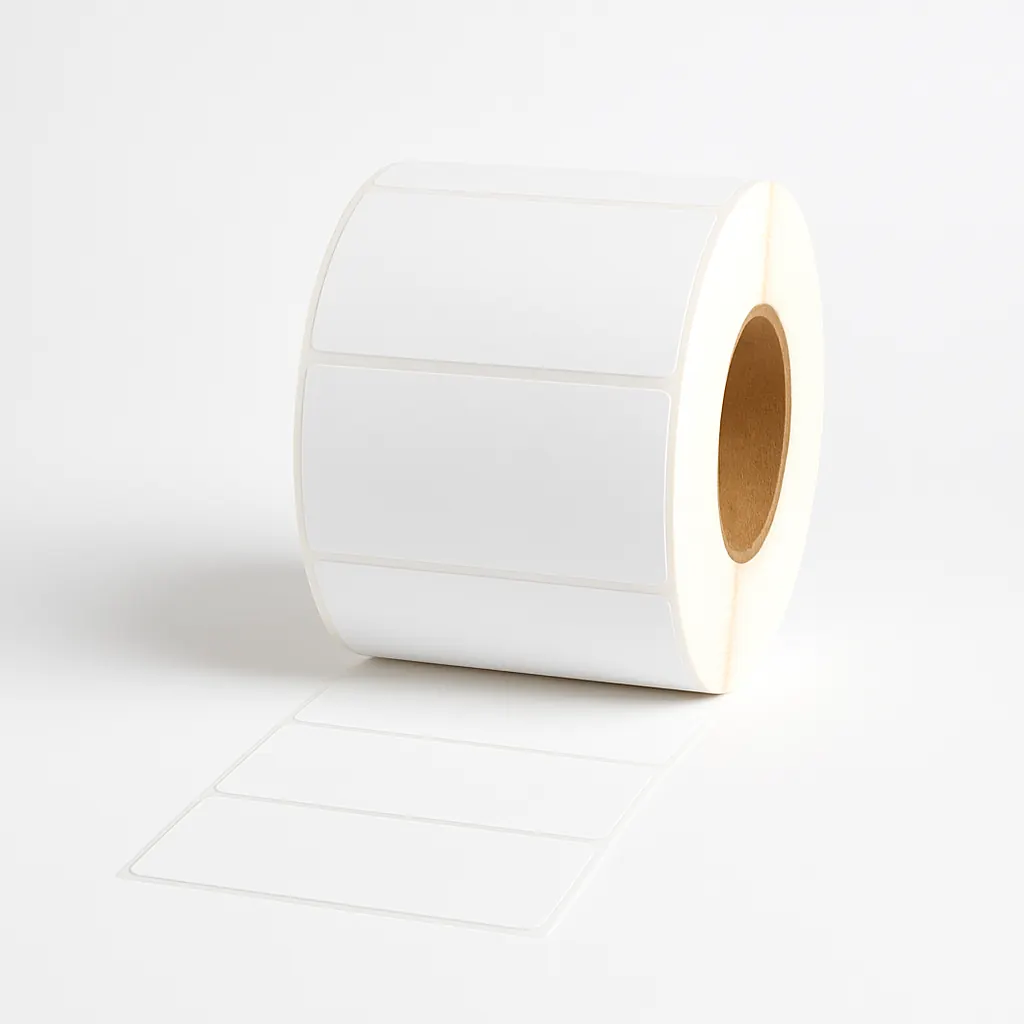
- A thermal label printer. No ink, no toner, no waiting for a shared office printer. It removes the most common walk in the whole process.
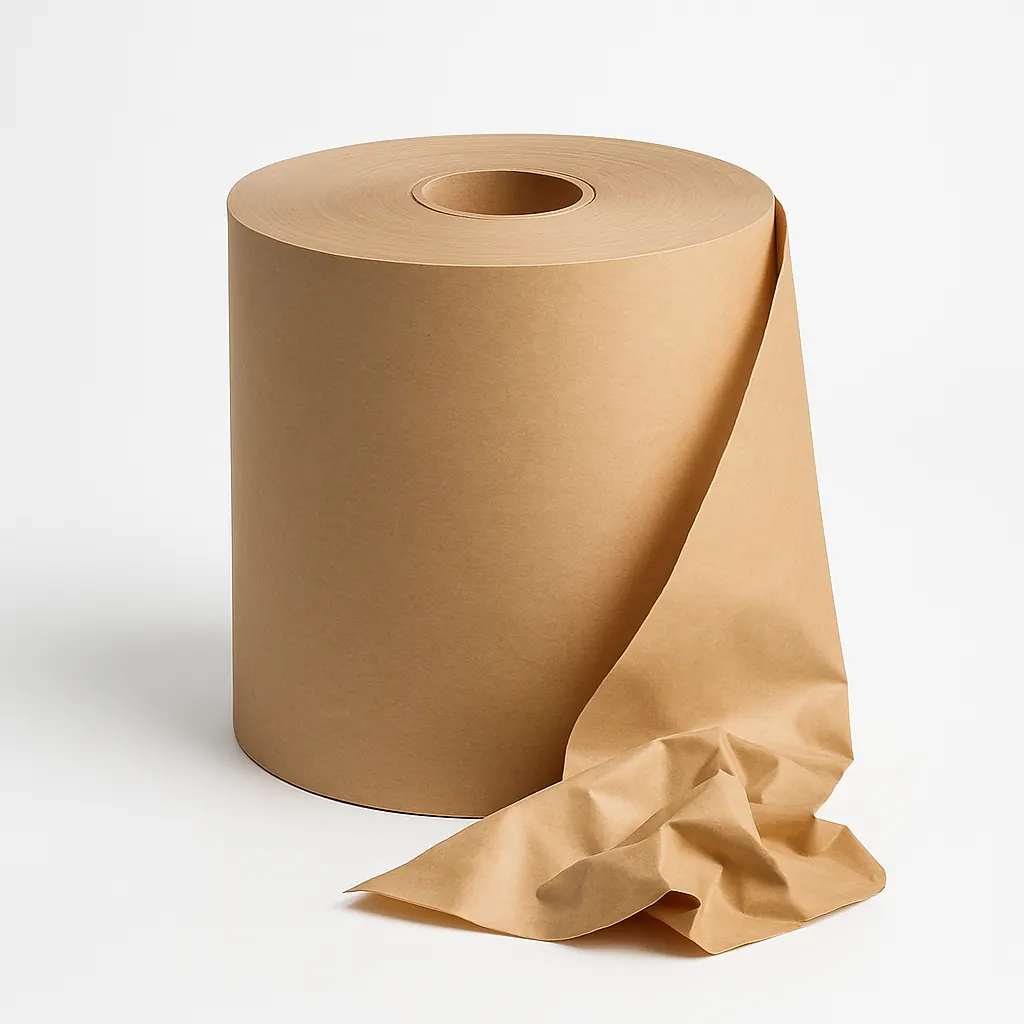
- Void fill on a dispenser, mounted above or beside the bench rather than in a bag on the floor.
- A bin at knee height for offcuts, so waste never lands on the working surface.
- Good light directly over the bench. Address errors rise sharply in poor light.
Time yourself honestly
Pack ten typical orders and time the whole run, then divide. Most people are slower than they assume, and the number tells you whether a change worked.
Watch specifically for the packer walking away from the bench. Every trip to fetch something is a layout problem, and it is the largest single loss in most operations — larger than anything about how fast anyone works.
Products in this guide
Still not sure?
Tell us what you ship and roughly how much of it, and we will recommend a specification and price it.