Packaging guide
Packaging for Ceramics and Pottery
Heavy, brittle and awkwardly shaped. Ceramics break in predictable places, and packing for those places is cheaper than replacing the piece.
Updated Oct 10, 2026
Ceramics fail in ways that are easy to predict and therefore easy to design against. Handles snap, rims chip, and bases crack when a parcel is set down hard. Almost every breakage traces back to one of those three, and each has a specific answer.
Protect the protrusions first
A handle or a spout concentrates every impact into the point where it joins the body. Wrapping the piece evenly leaves that join as the weakest point in the parcel.
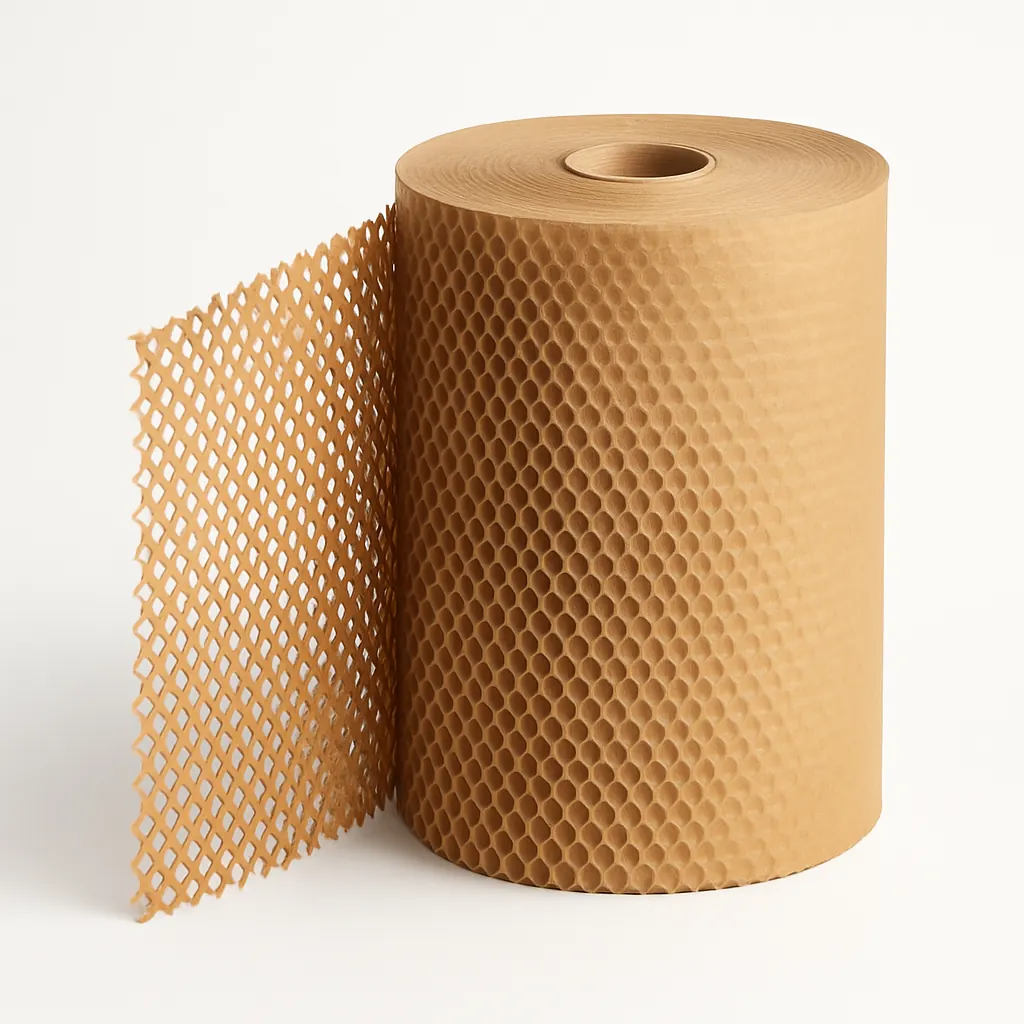
Wrap protrusions separately before wrapping the whole piece — a turn of honeycomb wrap around the handle alone, then the body. It takes seconds and it removes the most common single failure.
The base is where drops land
Parcels are set down base-first far more often than they are dropped from height. That means the bottom face needs more protection than the sides, and it is the face most packers under-fill.
Aim for 50–60 mm of fill beneath the piece, more than you use on the sides. If you only change one thing about how you pack ceramics, make it this.
Double wall, not single
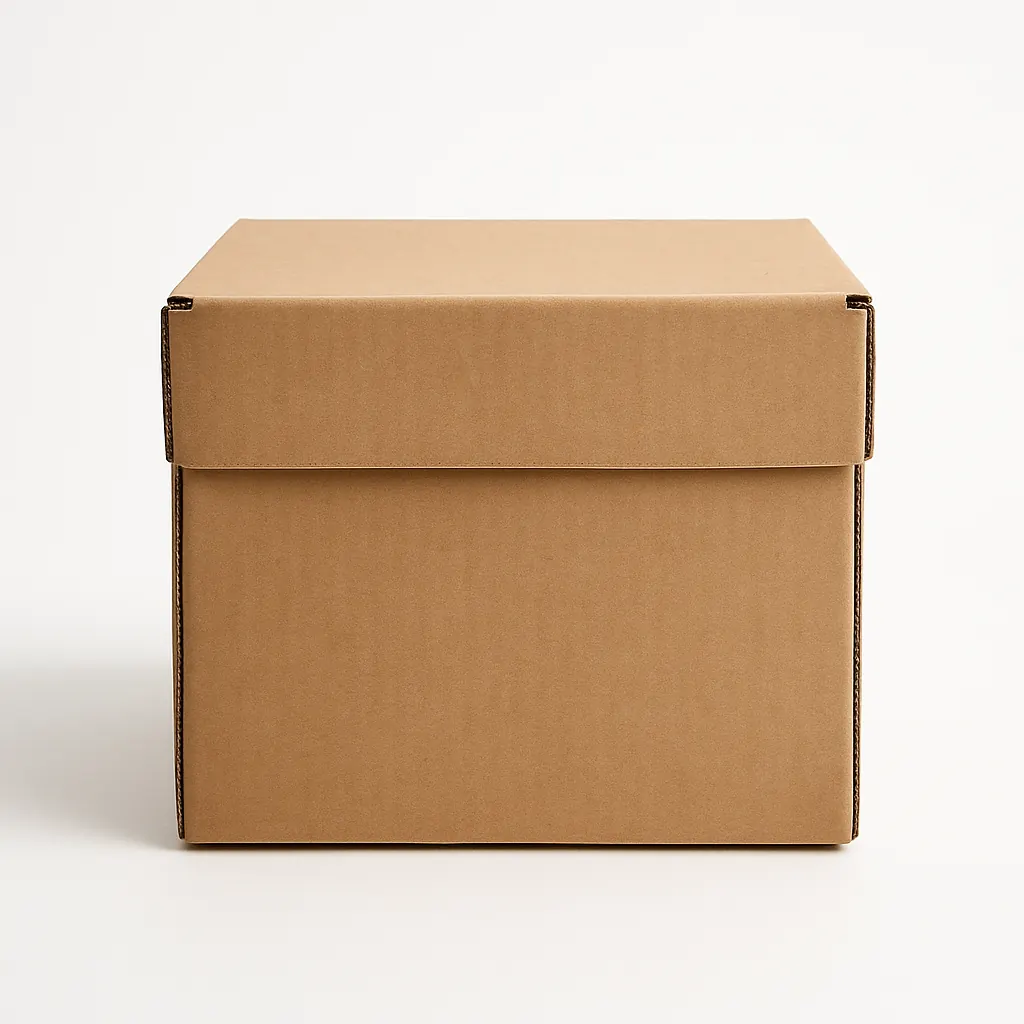
Ceramics are heavy enough that single-wall board flexes under stacking, and a flexing box lets the contents move. Double wall is the right default for anything above roughly 1 kg, and the cost difference per parcel is small next to the value of the piece.
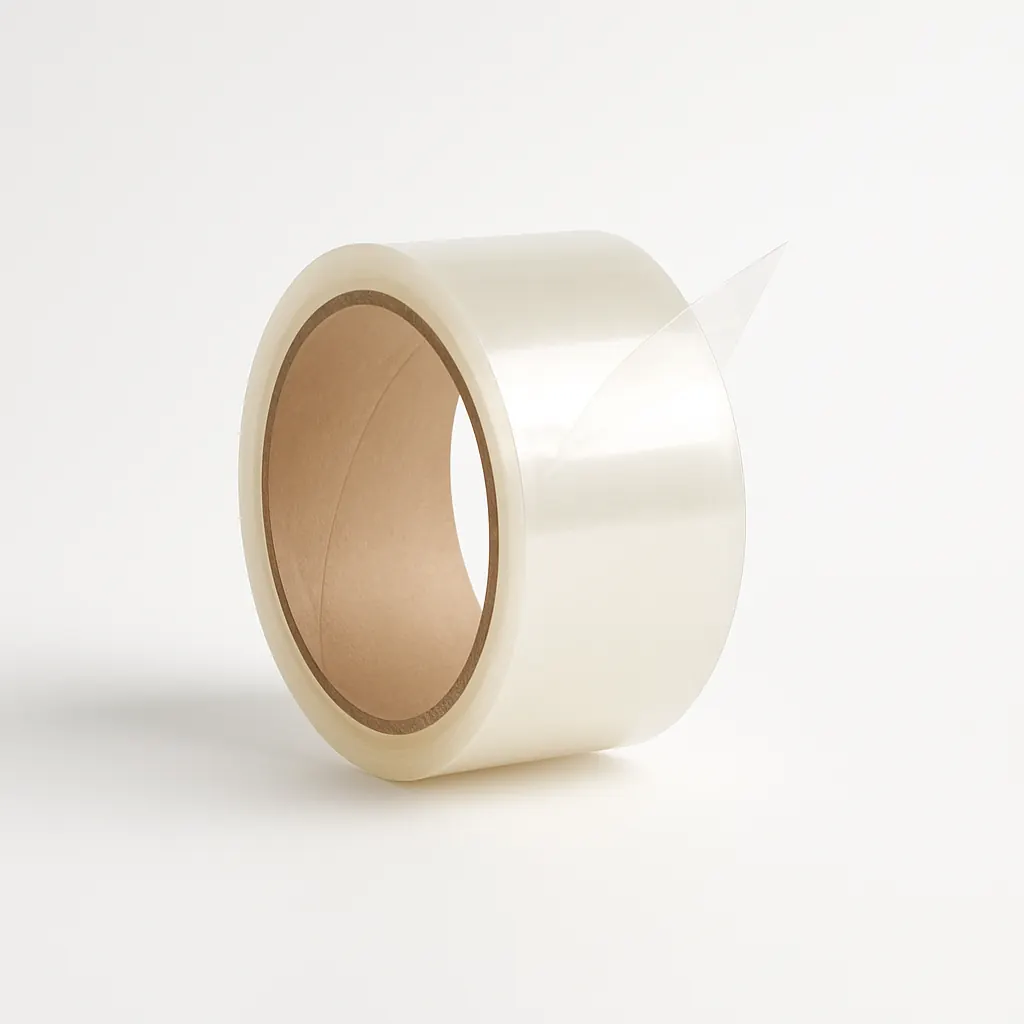
Tape the box along every seam rather than a single strip across the centre. A heavy parcel that bursts a seam in transit has effectively no packaging at all for the rest of its journey.
Never let two pieces touch
Multiple pieces in one parcel must be individually wrapped and separated by board or a substantial layer of fill. Ceramic against ceramic chips both items even through a single layer of wrap, because neither surface gives.
For sets, wrap each piece, then pack them so that the heaviest sits at the base and nothing rests on a rim.
Irregular shapes and the box you cannot buy
Some pieces genuinely do not fit any stock box well. The usual mistake is to size up and fill the extra space with more paper — which raises volumetric weight and still lets the piece shift.
The better answer is a snug box with the piece immobilised, and where a stock size will not do, a made-to-order box quoted to your dimensions. At the quantities most studios ship, the freight saving on a correctly sized box usually pays for the tooling within a year.
What this costs at volume
Ceramics packaging is materially more expensive per parcel than apparel or cosmetics, and there is no way around that — double-wall board and generous fill both cost real money. What volume buying changes is the per-unit rate on the two things you consume most: board and paper fill.
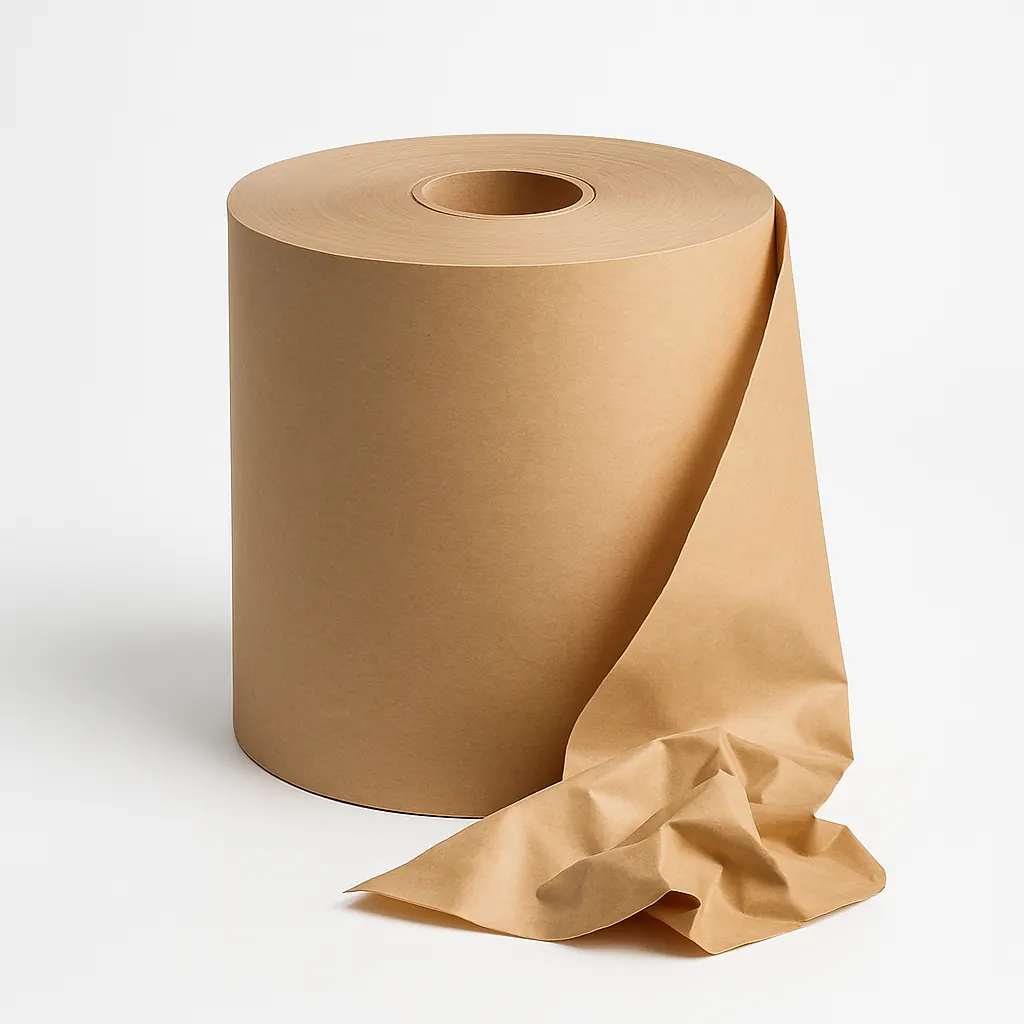
Both are available here with the price ladder published, each at a minimum order worth at least $500. If you are shipping a consistent range, send us the dimensions and weights and we will price a two-box specification against your actual mix rather than a generic one.
Products in this guide
Still not sure?
Tell us what you ship and roughly how much of it, and we will recommend a specification and price it.