Packaging guide
Packaging for Candle Makers
Glass, weight and heat make candles one of the hardest things to ship well. What actually survives the network, and what it costs at volume.
Updated Oct 10, 2026
Candles combine three problems that rarely appear together: the vessel is glass, the contents are heavy for their size, and the product itself changes state if it gets warm enough. Most breakage complaints come from packing them the way you would pack a mug.
Never ship a candle in a mailer
A padded mailer offers impact protection at the surface and nothing at all in the middle. A glass vessel inside one has no rigid structure holding it away from the outside of the parcel, so any drop onto a corner transfers directly into the glass. Candles need a rigid box, without exception.
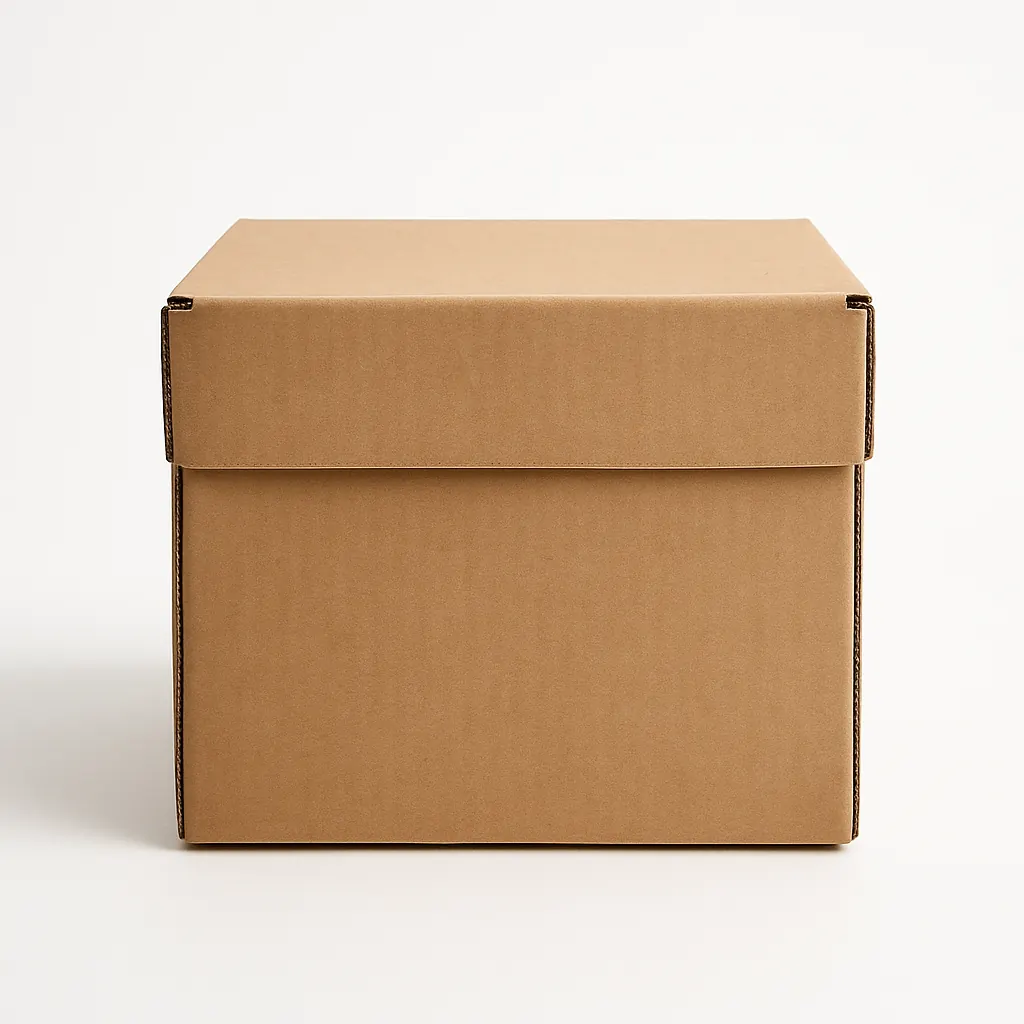
For a single standard vessel — roughly 200–300 g of wax in a straight-sided jar — a small parcel box in B flute is enough. Above that, or for anything with a lid that sits proud, move to a larger box and more clearance rather than a thicker board.
Clearance matters more than board grade
The single most effective change most candle makers make is increasing the gap between the vessel and the box wall. Aim for at least 30 mm on every face, including the base. Wax is dense, so a candle that is dropped carries far more energy into the corner it lands on than its size suggests.
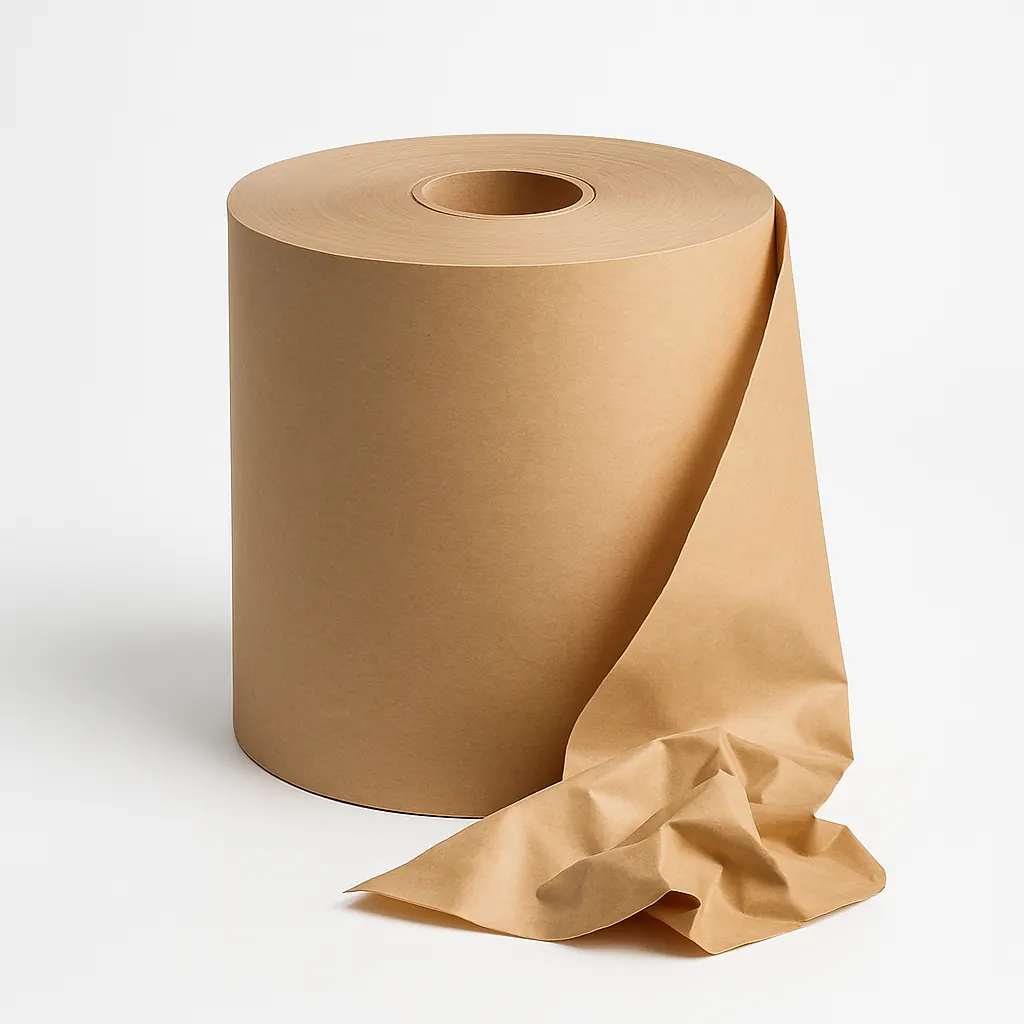
Fill that gap with something that holds its shape under load. Crumpled kraft paper works well because it recovers after compression; loose fill migrates during transit and leaves the base unprotected by the time the parcel is delivered.
Wrap the vessel, then isolate the lid
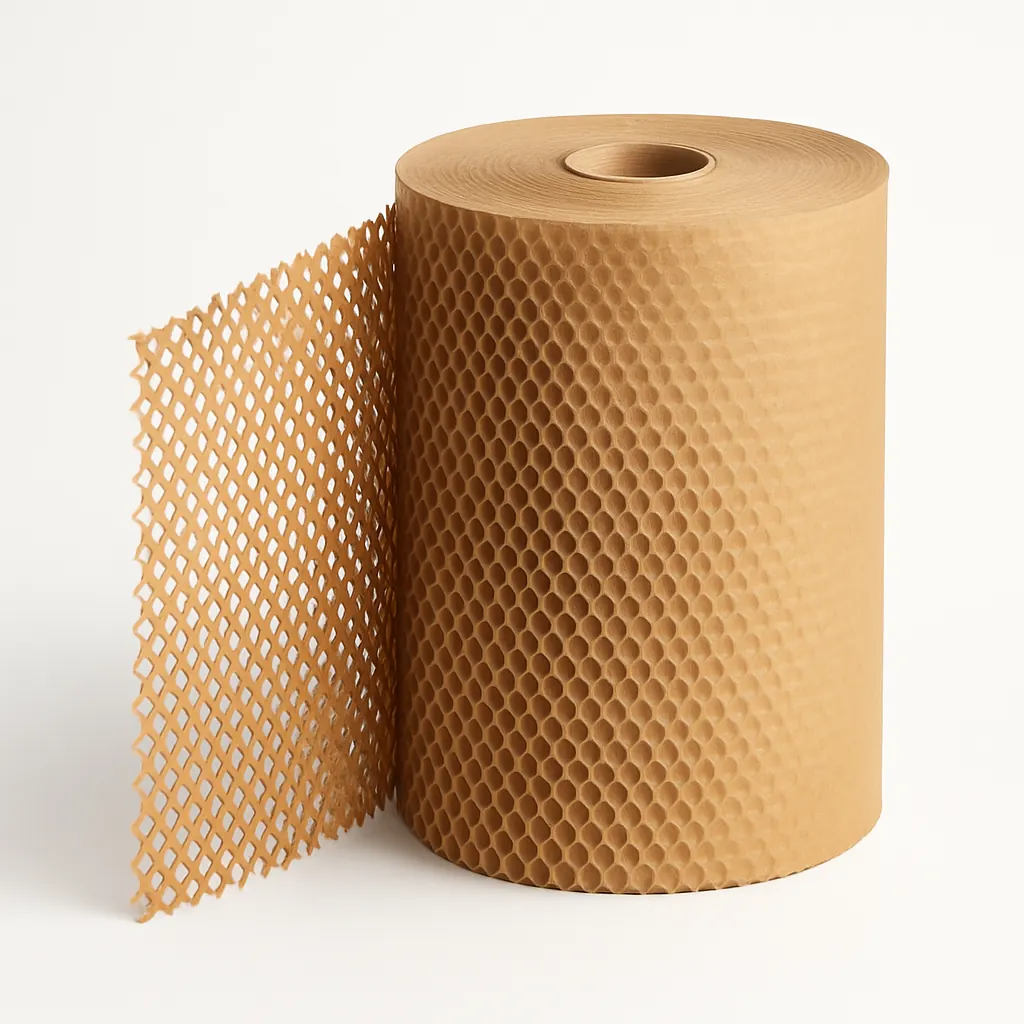
Honeycomb wrap suits candles better than bubble film because it grips the glass rather than sliding around it, and because it can be wrapped tightly enough to stop the vessel moving inside its own wrapping. Two or three turns is usually enough.
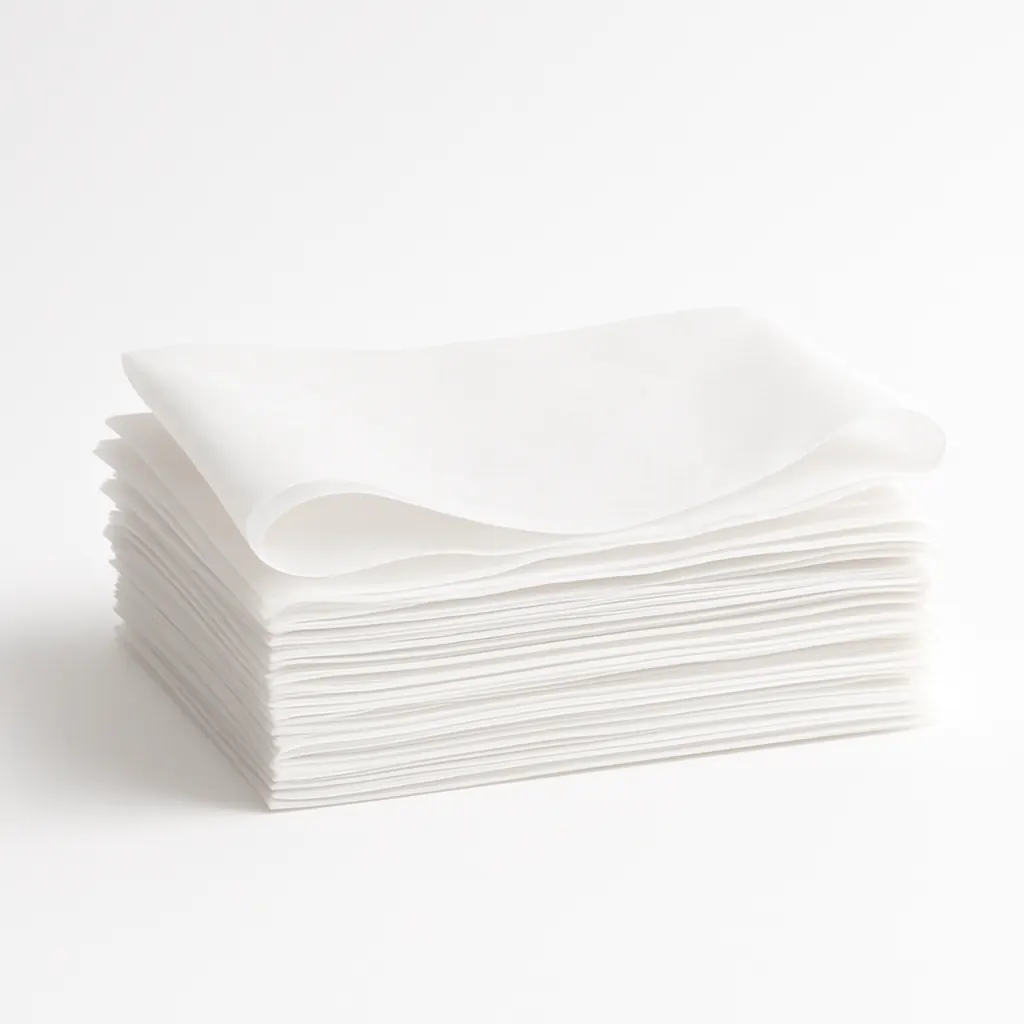
Metal and wooden lids are the second most common breakage cause — they work loose in transit and then knock against the glass for the rest of the journey. Wrap the lid separately in tissue, or tape it before wrapping the whole vessel.
Heat is a real risk on a small number of parcels
Soy and coconut waxes soften well below the temperature a delivery van reaches in summer. The candle rarely arrives liquid, but it does arrive with a slumped or pitted surface, and customers read that as a defect.
There is no packaging fix for a genuinely hot network. What packaging can do is slow the swing: a rigid box with generous paper fill insulates far better than a thin mailer. If you ship into hot regions in summer, the practical answers are faster services and setting expectations at checkout rather than heavier packaging.
Multi-candle orders change the maths
Two or more vessels in one parcel need dividers, or each candle wrapped individually and separated by folded board. Glass against glass is the failure mode that produces the most refunds, because both items break rather than one.
At three or more candles the parcel is heavy enough that double-wall board earns its cost — not for the drop protection, but because single wall crushes under stacking in a sorting hub.
What this costs at volume
A realistic per-parcel packaging cost for a single candle is a small parcel box, roughly a metre of void fill and half a metre of honeycomb wrap. Buying all three at our minimums, each worth at least $500, brings that materially below what the same specification costs bought in retail quantities, provided you ship enough candles to use them within a year. That is usually the point at which candle makers move to wholesale supply.
If you are not sure which box size fits your vessel range, send us the dimensions of your largest and smallest and we will tell you which two sizes cover the whole range — two sizes almost always beats four.
Products in this guide
Still not sure?
Tell us what you ship and roughly how much of it, and we will recommend a specification and price it.