
Packaging guide
How Much Packaging Should You Actually Buy?
Buy too little and you pay retail prices in a panic. Buy too much and you are storing next year’s stock in this year’s space. Here is how to size the order.
Updated Sep 8, 2026
Most businesses buy packaging reactively — someone notices the box shelf is nearly empty and places an order that afternoon. That works until the day it does not, and the emergency retail purchase costs three times the wholesale rate.
Start with months of cover
Forget quantities and think in time. How many months does this order need to last?
Three to six months is the sweet spot for most ecommerce businesses. Long enough to earn a real volume price, short enough that your product range will not have changed underneath you.
Go longer only where the item is genuinely stable and durable — plain tape, standard void fill. Anything sized to a specific product, or anything printed, should stay at the shorter end. Product ranges change, and printed packaging for a discontinued line is landfill.
Set a reorder point, not a reorder date
The failure mode is ordering when you notice, which is always later than you should have. Work out the trigger instead.
Take your weekly usage, multiply by the lead time in weeks, and add a couple of weeks of buffer. When stock hits that level, order — whatever the calendar says.
Using 250 mailers a week, with a three-week lead time and two weeks of buffer, your reorder point is 1,250. Order when you drop below that, not when you can see the bottom of the box.
Write the number on the shelf. It removes the judgement call from whoever happens to notice.
Count your peak, not your average
If a quarter of your year’s orders land in six weeks, an average-based forecast will leave you short at exactly the moment being short is most expensive.
Forecast the peak separately and order for it early. Freight capacity tightens in the run-up to Christmas across the whole supply chain, so the lead time you are used to is not the lead time you will get in November.
Where it goes, and what ruins it
Bulk packaging is bulky. Two things do most of the damage in storage, and both are avoidable.
Damp
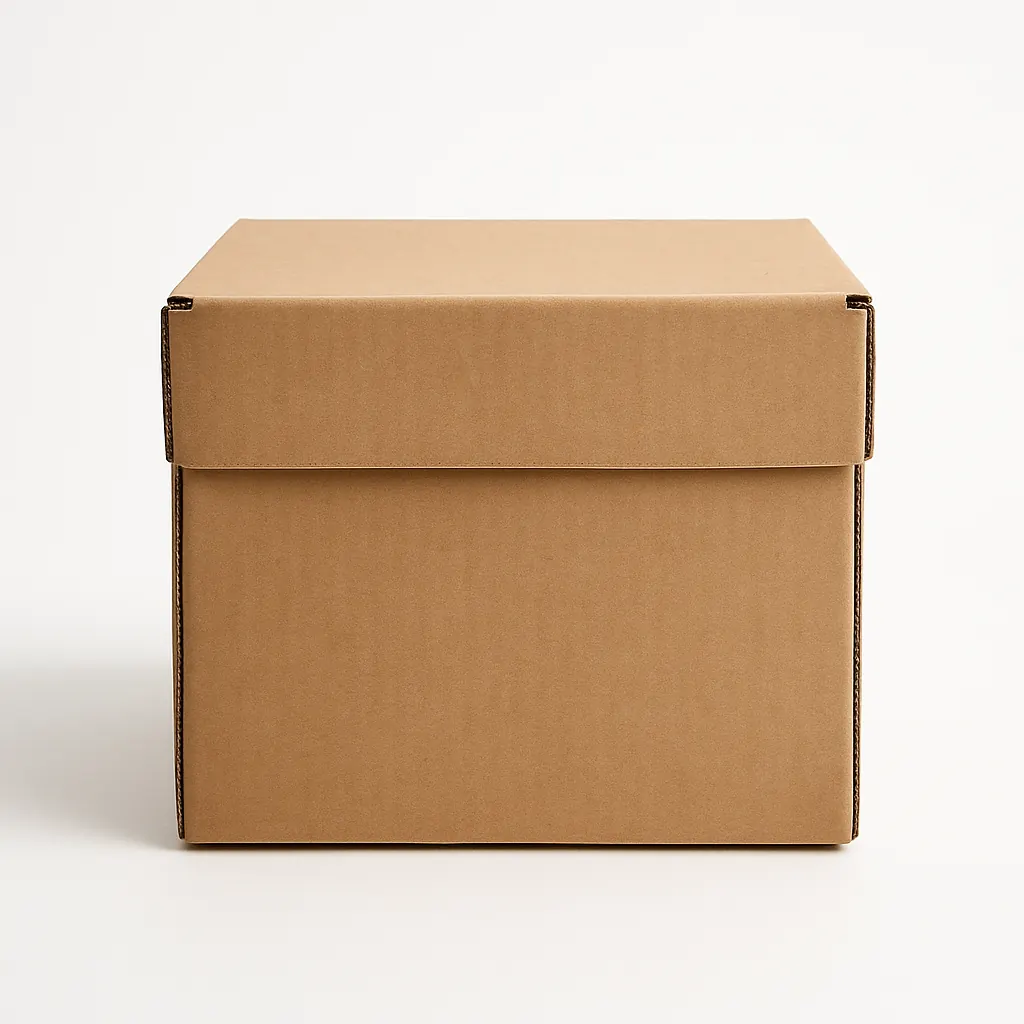
Corrugated board loses a significant part of its strength when it absorbs moisture, and it does not fully recover when it dries. A garage, an unheated outbuilding or a floor-level stack in a damp unit will quietly degrade a pallet of boxes over a winter. Keep board off the floor on a pallet or shelf, and away from external walls.
Crushing
Flat-packed boxes stacked too high crush the ones at the bottom, and a crushed fold never folds cleanly again. Stack no higher than about chest height, and never stack anything heavy on top of mailers or tissue.
Time, for some items
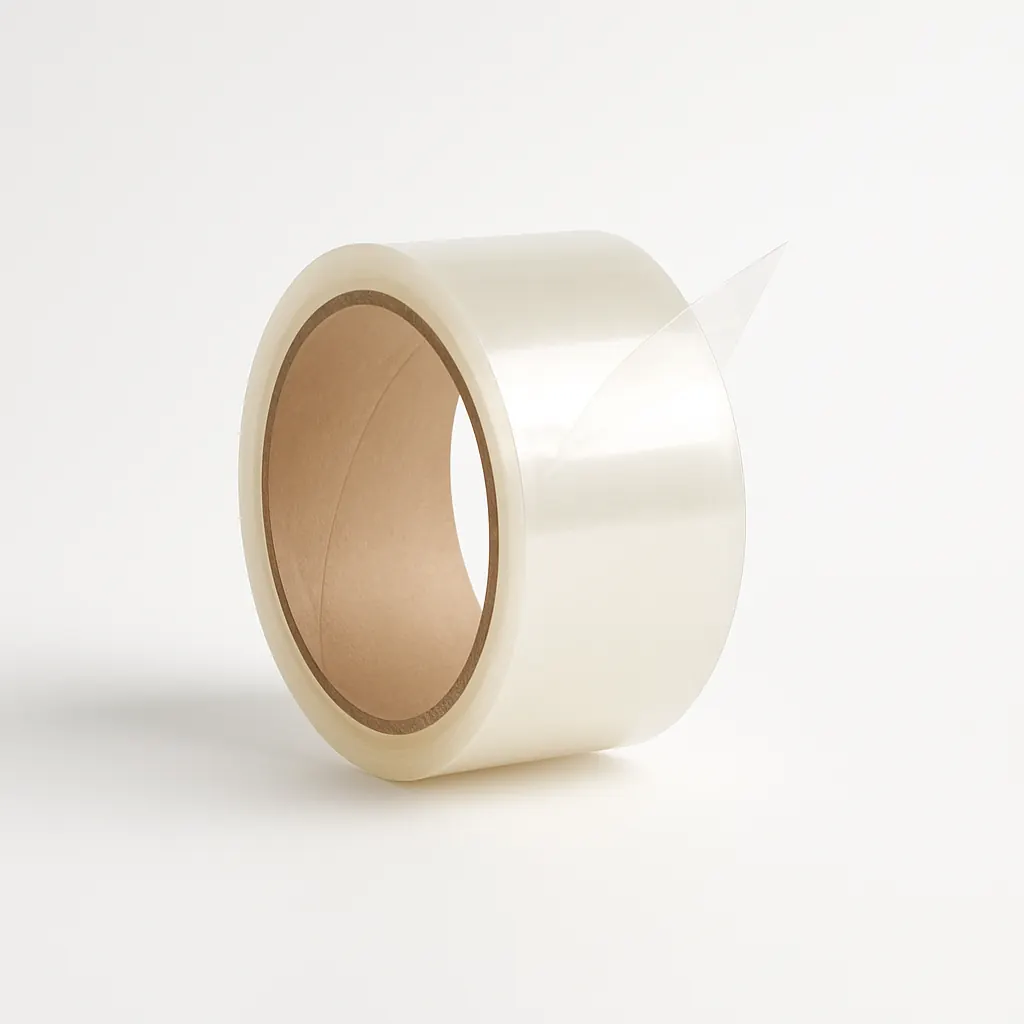
- Tape — adhesive degrades. Use within about a year, and keep it out of direct heat.
- Compostable film — designed to break down, and it starts in storage. Buy no more than a year.
- Board, poly and paper — effectively indefinite if kept dry and uncrushed.
Rotate what you have
New stock goes behind the old, not in front of it. This sounds trivial and it is the single most common reason businesses find a crushed, damp pallet of boxes from two years ago behind a fresh one.
A sensible first bulk order
If you are moving from retail buying to wholesale for the first time, do not switch everything at once.
- Start with your highest-volume line — the one item you use most. That is where the saving is largest and the forecasting risk lowest.
- Keep buying everything else retail for now.
- Track how long it actually lasts against your estimate.
- Use the real number to size the next order and add a second line.
Two or three cycles of that and you will have a forecast based on your own data rather than a guess — which is worth more than any advice on this page.
Products in this guide
Still not sure?
Tell us what you ship and roughly how much of it, and we will recommend a specification and price it.