Packaging guide
Packaging for Subscription Boxes
Predictable volume is the strongest buying position in packaging. Subscription businesses can commit further ahead than anyone else, and should be paid for it.
Updated Oct 10, 2026
Subscription businesses have an advantage almost no other ecommerce model has: they know roughly how many parcels they will send in twelve months. That single fact should change how they buy packaging, and most do not use it.
Predictable volume is a negotiating position
Packaging pricing is driven by production run length. A supplier quoting a one-off order prices in the setup and the risk of never seeing you again. A supplier quoting against a known annual volume is pricing a production schedule, and that is a genuinely different number.
If you know you will ship 12,000 boxes over a year, say so when you ask for a price. It is the most useful sentence in the enquiry, and it is worth more than any amount of negotiating on a single order.
Letterbox sizing, if you can design for it
A box that fits through a letterbox removes failed deliveries, redelivery costs and a large share of your support tickets in one decision. For subscription businesses this compounds every single month against the same customers.
The constraint is depth — typically 20–25 mm depending on carrier. It is a real design constraint on what you can include, and it is worth taking seriously at the point you are choosing products for the box rather than after.
E flute is almost always the right board
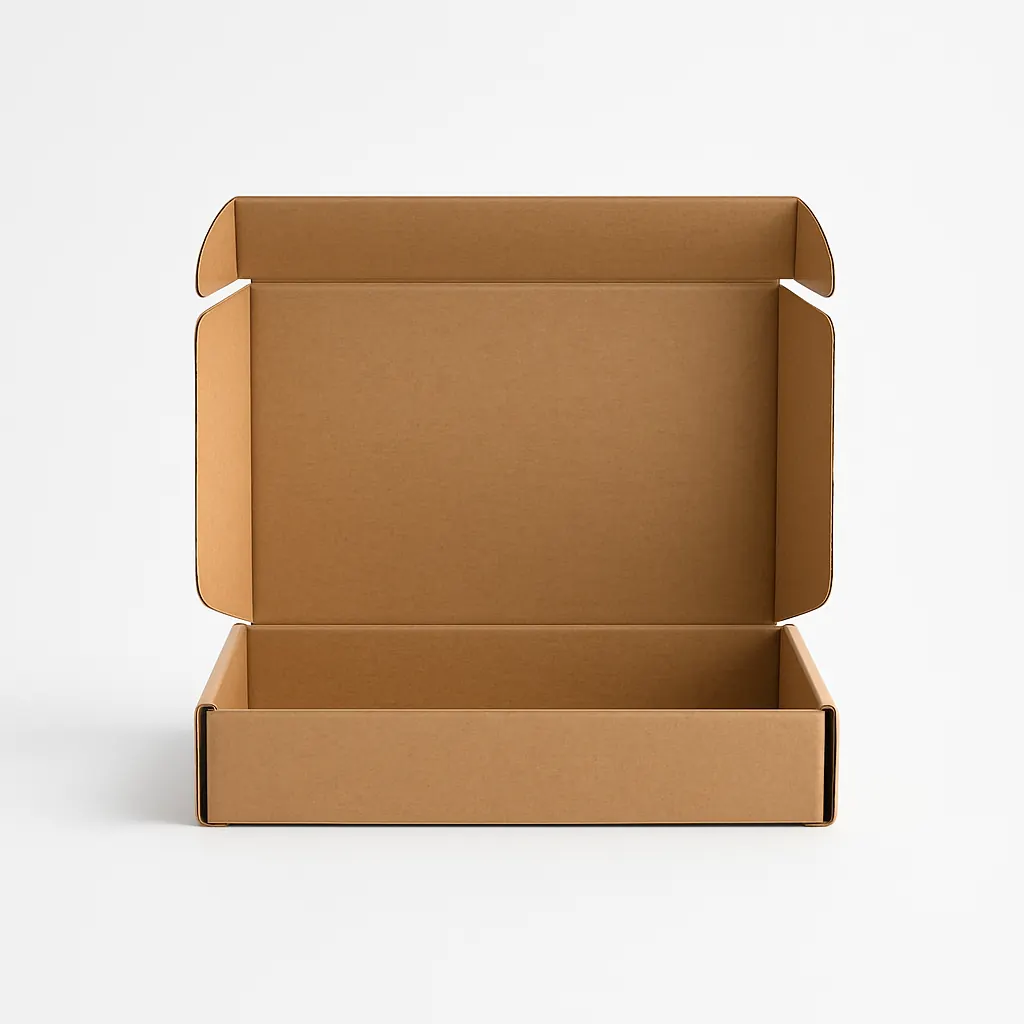
Mailer boxes in E flute print cleanly, fold flat for storage and open without tools. For the contents most subscription boxes carry, they are strong enough, and the smooth surface is what makes printed branding look intentional rather than cheap.
Move up to B flute only if the contents are heavy or fragile enough to need it. Board grade is one of the easiest places to over-specify and pay for protection nobody notices.
Storage is a cost you have not counted
A year of packaging bought at once is cheaper per unit and has to live somewhere. Fold-flat boxes take a fraction of the space of assembled ones, but 12,000 of anything is a pallet position you need to have.
The usual compromise is buying the annual quantity and scheduling delivery in instalments. Ask about it — a supplier holding stock for a customer with a committed annual volume is a normal arrangement, not a favour.
Do not print the month on the box
Dated or themed outer boxes seem appealing and they destroy your buying position, because every print run becomes a separate short run at short-run prices. Keep the outer box generic and put the variable element inside, on a card or a sticker, where changing it costs almost nothing.
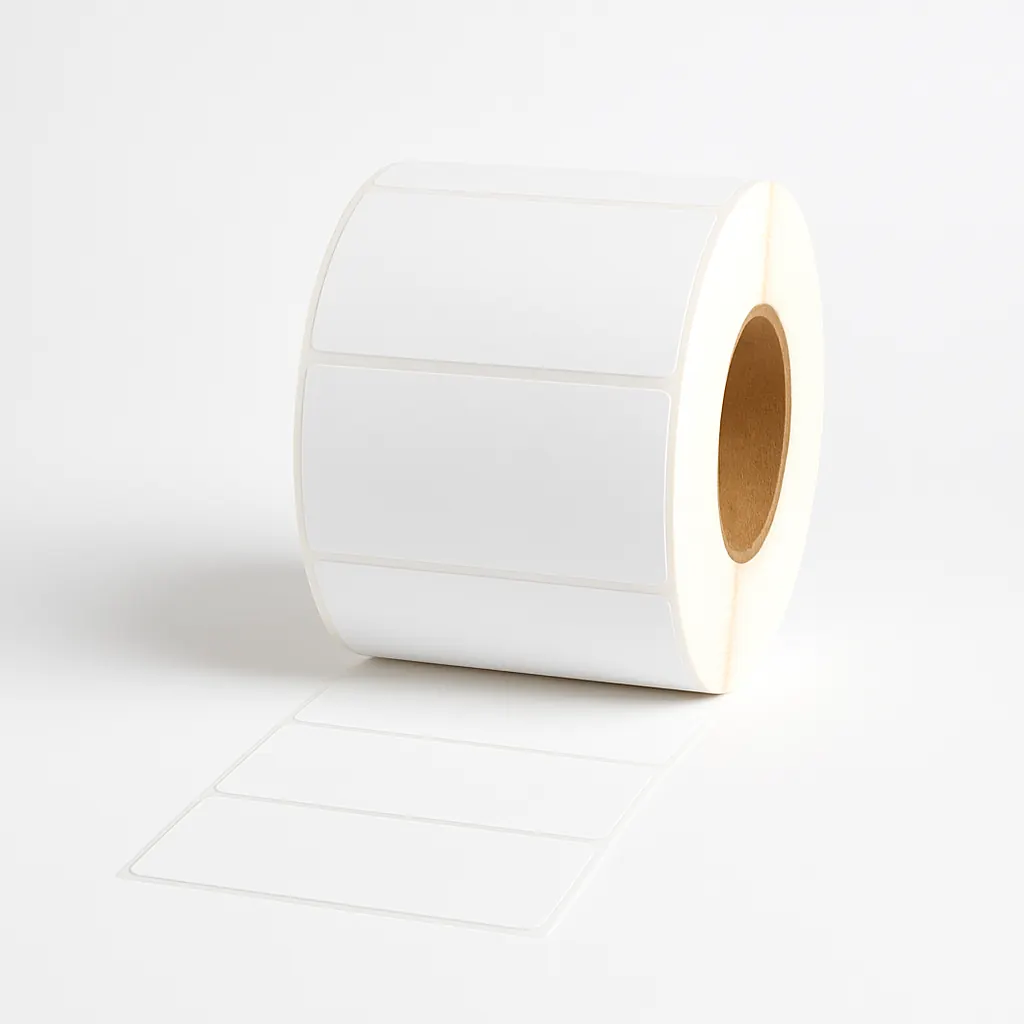
The same logic applies to labels: a plain box with a well-designed thermal label is cheaper and more flexible than a printed box you cannot reuse next month.
Buying against a schedule
Every product here has a minimum order worth at least $500 with the price ladder published, so you can model a full year of packaging cost before you commit to anything. For subscription volumes the published ladder is usually the starting point rather than the final number — tell us your monthly count and the term you can commit to, and we will quote against that.
Products in this guide

Still not sure?
Tell us what you ship and roughly how much of it, and we will recommend a specification and price it.