Packaging guide
How to Reduce Ecommerce Packaging Costs
Seven changes that actually move the number, ordered by how much they save relative to the effort they take.
Updated Oct 10, 2026
Packaging spend is usually two to five percent of revenue for a physical-product business. Here is where the savings actually are, in rough order of return on effort.
1. Right-size your boxes
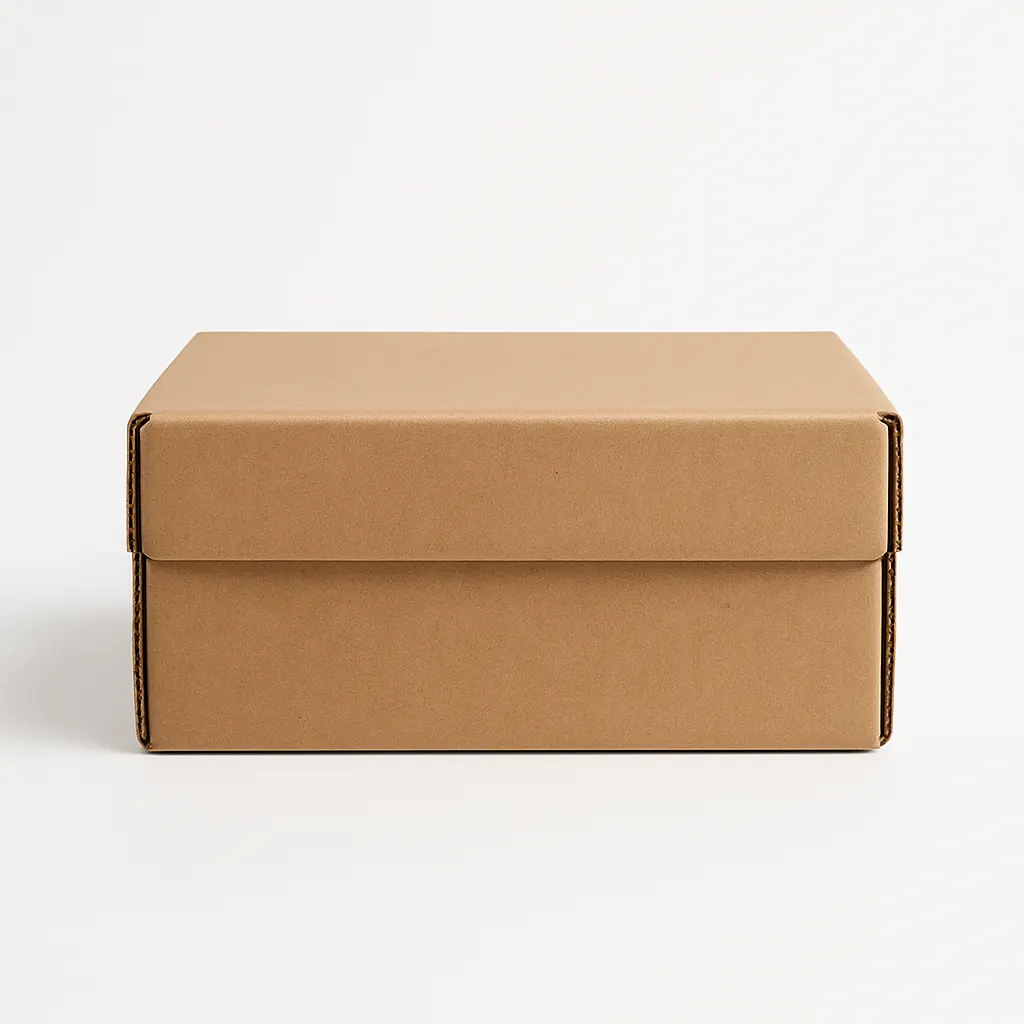
The biggest saving is almost never the box — it is the shipping band the box puts you in. Carriers bill on volumetric weight, so a box one size too large is billed as though it were heavier. Audit your top ten SKUs, pack each properly, and find the smallest box that fits. Small parcel boxes exist specifically to stay inside carrier bands.
2. Cut your pack-format count
Every extra size splits your buying volume across more lines, which pushes each line into a worse pricing tier. Consolidating from eight formats to four typically moves every remaining line up a tier and simplifies the bench at the same time.
3. Buy to the next tier, not to the next month
If you use 800 mailers a month and the next price break is at 10,000, buying annually instead of monthly moves you two tiers up. The constraint is cash and shelf space, not usage. Packaging does not expire — with the exception of compostable film, which does, so buy that in quantities you will use within a couple of quarters.
4. Stop over-protecting
Most parcels contain more cushioning than they need, largely because nobody has tested the alternative. Ship a controlled batch with less void fill and track the damage rate. If it does not move, you have found a permanent saving on every parcel you send.
5. Review the consumables nobody looks at
Tape and labels are small numbers per parcel that scale directly with order volume. Buying tape a sleeve at a time rather than by the carton can cost you a third more per roll. These lines are easy to fix because nothing about your operation has to change.
6. Question printed packaging
Printed boxes are the most visible packaging spend and often the least efficient. A plain box with a printed sticker and printed tissue inside delivers most of the brand impact for a fraction of the cost, with far shorter lead times and no risk of being stuck with five thousand boxes in a size you have stopped using.
7. Check your carrier bands against your actual parcels
This one sits outside packaging but is driven by it. Measure a real sample of outgoing parcels and compare against your rate card. Businesses regularly find that trimming 20 mm off a box height moves a whole product line into a cheaper band.
What not to do
Do not buy thinner film or lighter board to save a fraction of a penny per unit. Damage rates are asymmetric — one replacement shipment costs more than the saving across hundreds of parcels, and it costs you a customer as well.
Send us your current packaging list with monthly volumes and we will tell you where the savings actually are.
Products in this guide
Still not sure?
Tell us what you ship and roughly how much of it, and we will recommend a specification and price it.